
28 Smart Small Living Room Ideas That Make Compact Spaces Feel Huge
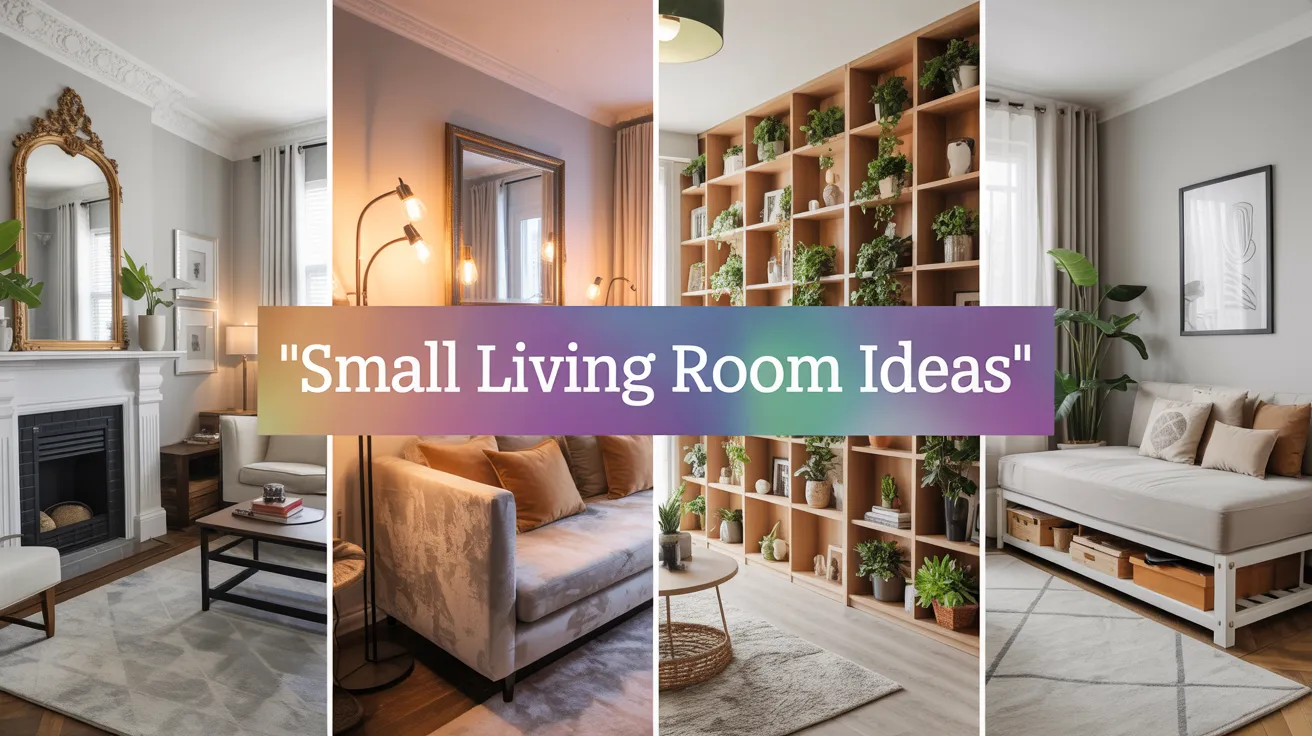
Small living rooms can feel frustrating when clutter piles up and every inch seems too precious to waste. Yet those same spaces hold potential to be stylish, warm, and functional without losing comfort. Many homeowners and apartment dwellers search for ways to turn cramped layouts into inviting retreats where family and friends actually want to gather.
From clever furniture choices to light enhancing tricks, design is less about square footage and more about how you use it. Neutral tones paired with bold accents, layered lighting, mirrors, and vertical storage can transform even the tightest living room into something that feels open and welcoming. It’s about creating flow, bringing personality into your space, and using smart layouts that make life easier.
If you’ve ever wondered how to maximize seating without overcrowding, where to hide clutter, or how to bring light into shadowed corners, you’re not alone. These small living room ideas will give you practical inspiration along with design forward solutions. Whether your style leans modern, rustic, or eclectic, you’ll find approaches here that work for real homes, real budgets, and real people who want comfort without compromise.
Light Colors to Open Up the Space
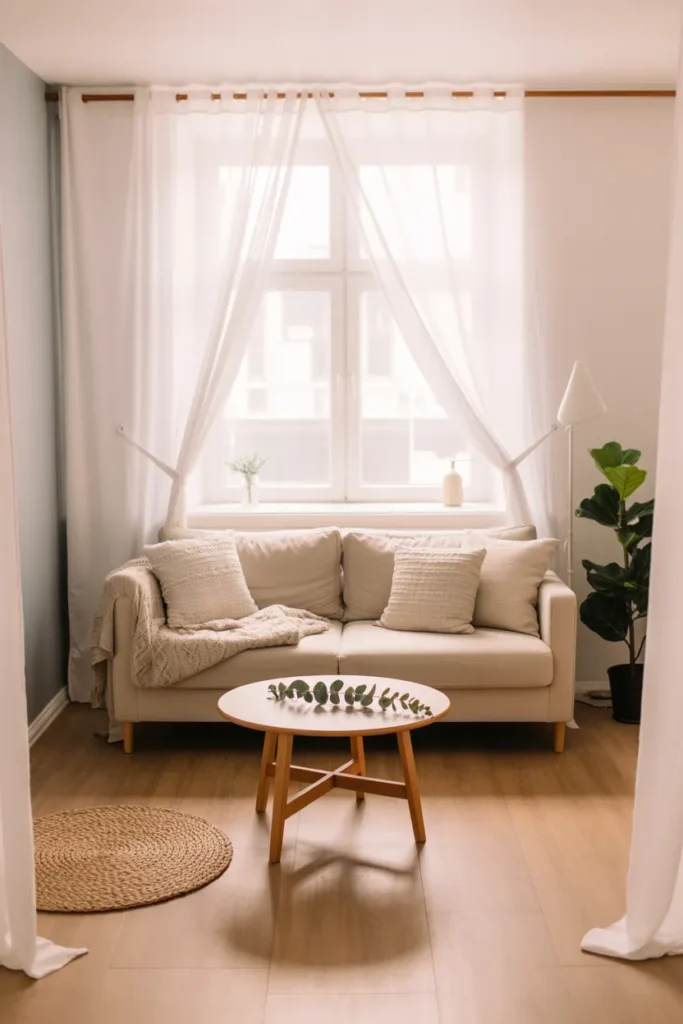
Soft shades like white, cream, and pale gray instantly expand a small living room. They reflect natural light, making walls feel brighter and less confining. When you step into such a space, it feels fresh, airy, and calming.
Layering subtle tones adds depth without overwhelming the eye. A warm beige sofa against a pale backdrop pairs beautifully with textured cushions or a cozy throw. You create contrast through materials rather than heavy colors.
To avoid flatness, bring in natural elements. A woven rug or wooden coffee table adds warmth and breaks up the softness. Your room will look larger yet remain inviting.
Mirrors That Double the Room

Mirrors create the illusion of space by bouncing light around the room. Place a large mirror opposite a window, and suddenly your living room feels twice as wide. It’s a simple trick with a powerful effect.
Framed mirrors can also act as statement decor. Choose a bold black frame for a modern vibe, or go with ornate gold to add elegance. Each option not only expands the room visually but also shapes its character.
To maximize impact, avoid clutter near mirrors. Let them reflect open areas like seating or plants. This way, the reflection enhances depth rather than doubling mess.
Multifunctional Furniture for Flexibility
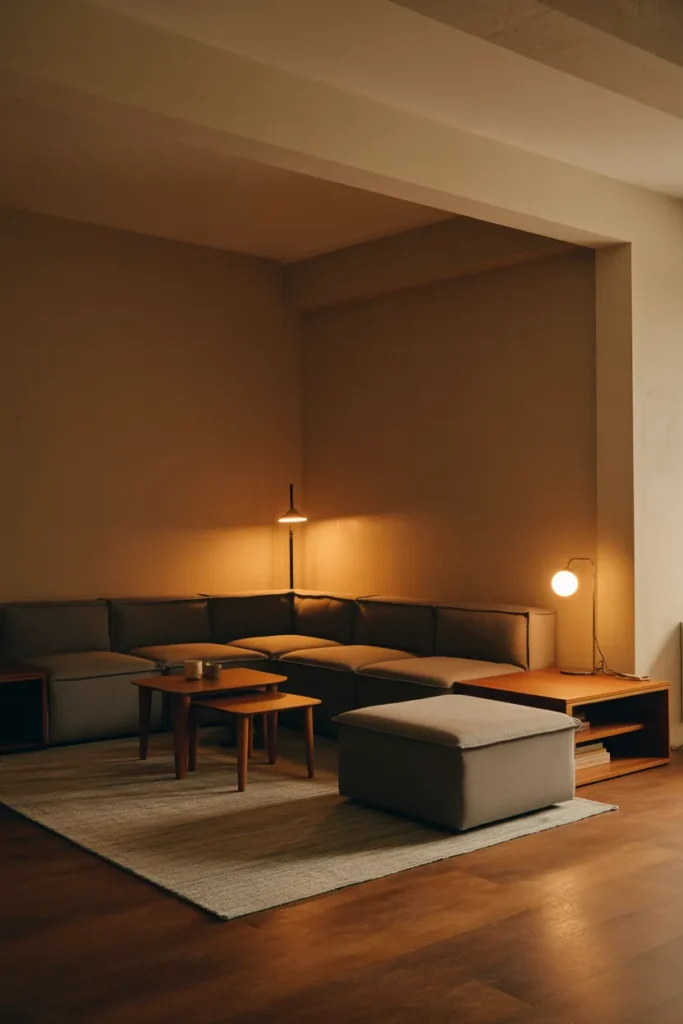
Every inch counts in a small living room. Furniture that serves more than one purpose helps you save space without sacrificing comfort. Think of a sofa bed, nesting tables, or an ottoman that doubles as storage.
Using multifunctional pieces keeps your room uncluttered. Instead of a bulky coffee table, opt for one with hidden drawers. You get storage for magazines and remotes while keeping surfaces clean.
Flexibility is key. Rearranging modular seating allows you to adapt for movie night, guests, or quiet evenings. These smart choices let your living room stay both stylish and practical.
Vertical Storage That Draws the Eye Upward
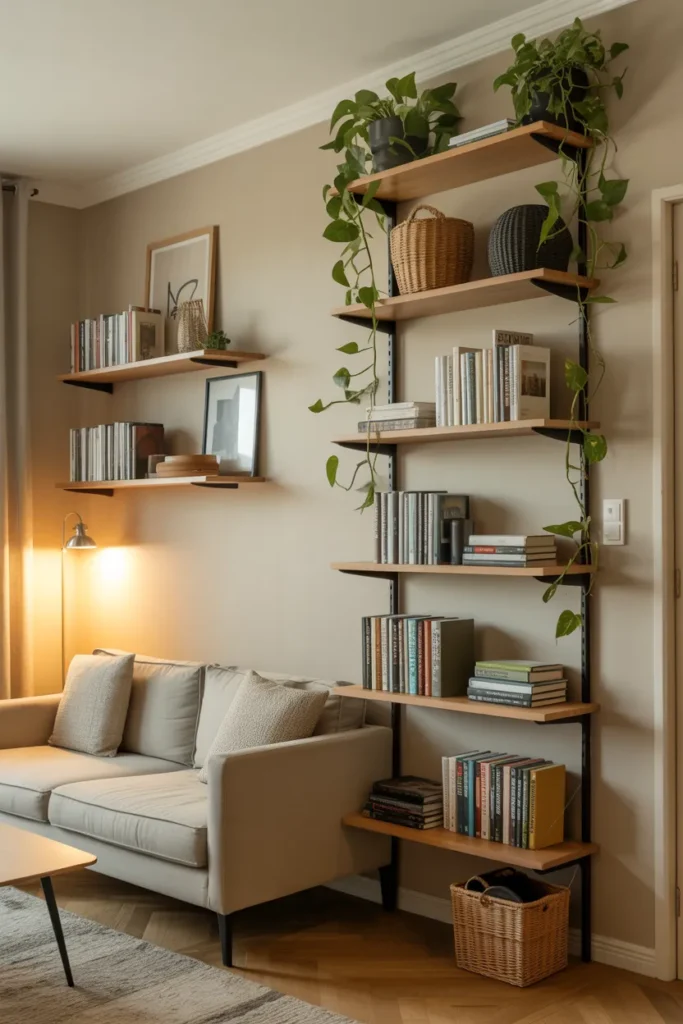
When floor space is tight, look upward. Tall bookshelves, floating shelves, or wall-mounted cabinets maximize vertical space. This draws attention to the height of your room rather than its limited width.
By keeping belongings off the floor, you also create more breathing room. A narrow shelving unit can house books, baskets, and plants without crowding your seating. Floating shelves above the sofa keep essentials close yet out of the way.
Balance function with style. Display framed art, greenery, or ceramics alongside storage baskets. The vertical lines create rhythm and movement that makes your space feel taller and more dynamic.
Layered Lighting for Depth and Warmth

Lighting transforms how a small living room feels. Relying only on one ceiling light often makes the space look flat. Mixing floor lamps, wall sconces, and table lamps adds layers of brightness and shadows that build depth.
A soft floor lamp beside the sofa creates a cozy reading corner. Small wall sconces free up table space while bringing gentle glow to dark corners. Mixing warm bulbs ensures the light feels natural and inviting.
Use lighting to highlight textures and decor. A spotlight on an art piece or shelf turns it into a focal point. This layering not only adds style but also makes your room feel more expansive and lived-in.
Floating Furniture to Free the Floor
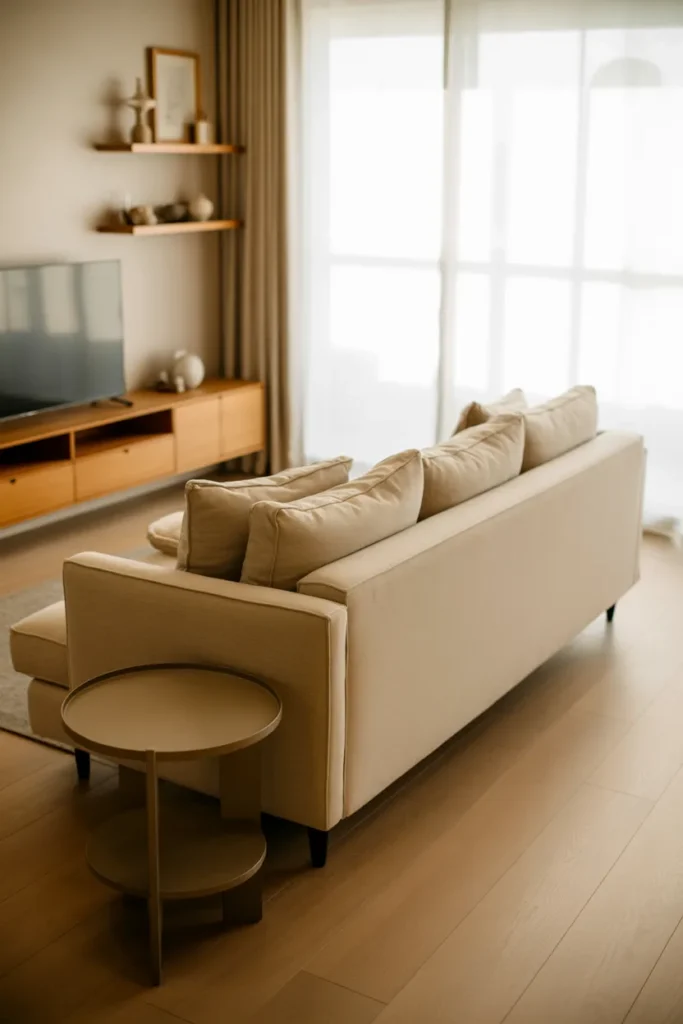
Legless or wall mounted furniture instantly lightens the look of a small room. A floating TV console or slim shelf gives you storage without eating up visual space on the floor.
When your eye sees open flooring, the room feels larger. Floating pieces also make cleaning easier since nothing blocks your sweep or vacuum path. You keep a sense of openness while still gaining function.
Pair floating units with minimal accessories. A low-profile sofa and a round side table balance the look. This way, the furniture feels intentional rather than cramped.
Rugs That Define Zones
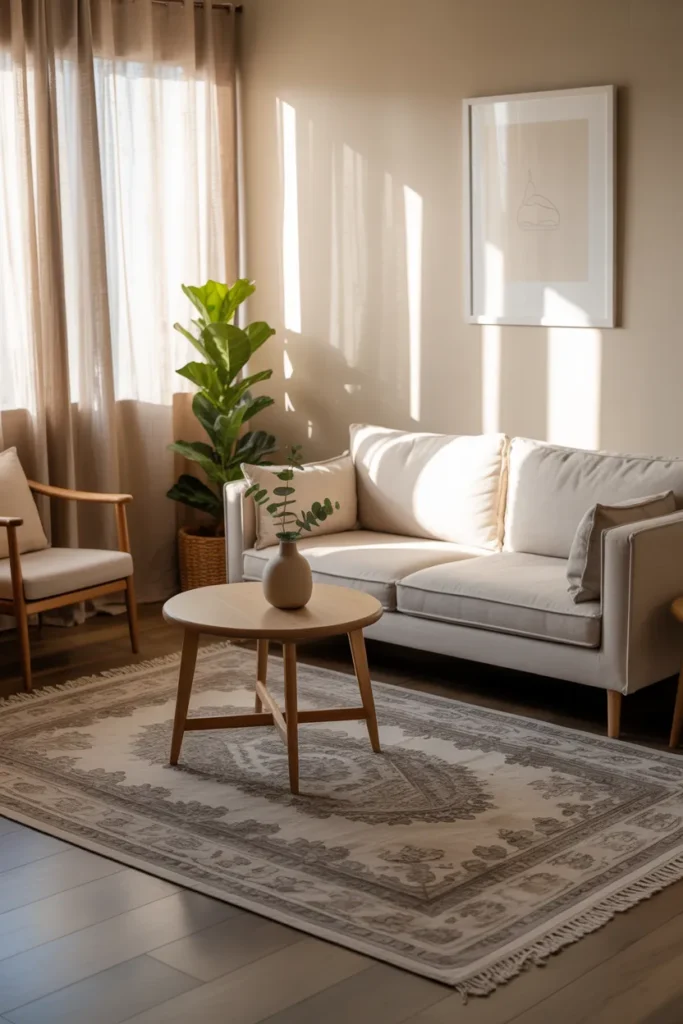
A well chosen rug anchors your seating area and defines boundaries in a small space. Even in tight rooms, a rug adds order and comfort underfoot.
Choose a size that tucks neatly under the front legs of your sofa and chairs. Too small, and it looks lost; too large, and it overwhelms. Neutral tones expand space, while bold patterns inject personality.
Texture matters too. A soft wool rug brings warmth, while flatweave cotton feels casual and easy to clean. The right rug ties furniture together and gives the room structure.
Glass Tables for an Uncluttered Look
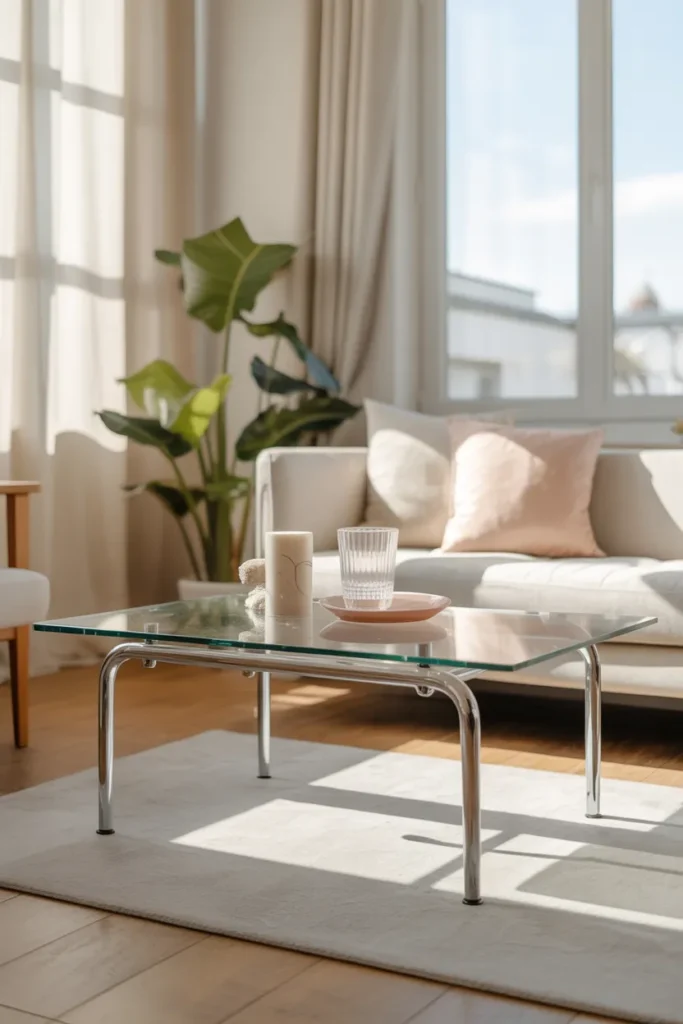
Clear surfaces help small spaces breathe. A glass coffee table or acrylic side table doesn’t block sightlines, so the room feels more open.
The transparency tricks your eye, creating lightness where bulky wood would feel heavy. Glass also bounces light around, giving the room sparkle. It works especially well in spaces with plenty of windows.
Pair glass with metal accents for a modern look, or with wood legs for warmth. Keep accessories minimal just a plant or a stack of books so the clear surface stays uncluttered.
Built In Seating That Saves Space
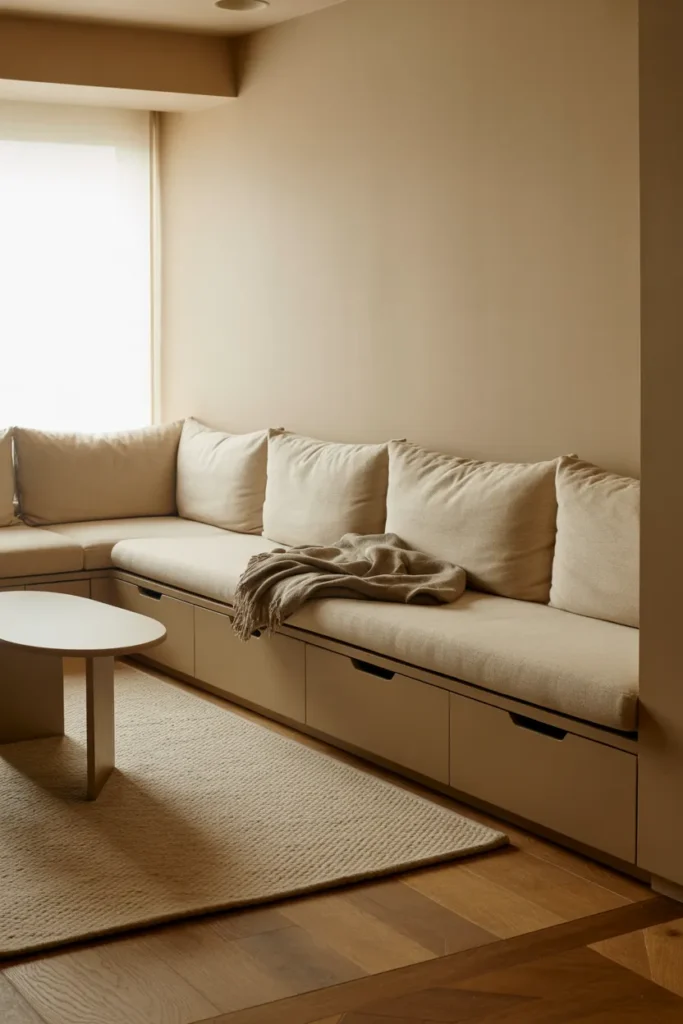
Built-ins make the most of corners and alcoves. A bench with storage underneath along one wall can replace bulky sofas in tiny living rooms.
Adding cushions and throws turns it into a cozy seating nook. You gain comfort while still keeping the footprint slim. Hidden drawers or lift-up seats give you storage for blankets, games, or books.
With the right finish, built-ins blend seamlessly with the architecture. Painted in the same color as walls, they feel like part of the room instead of extra furniture.
Statement Artwork That Draws Focus
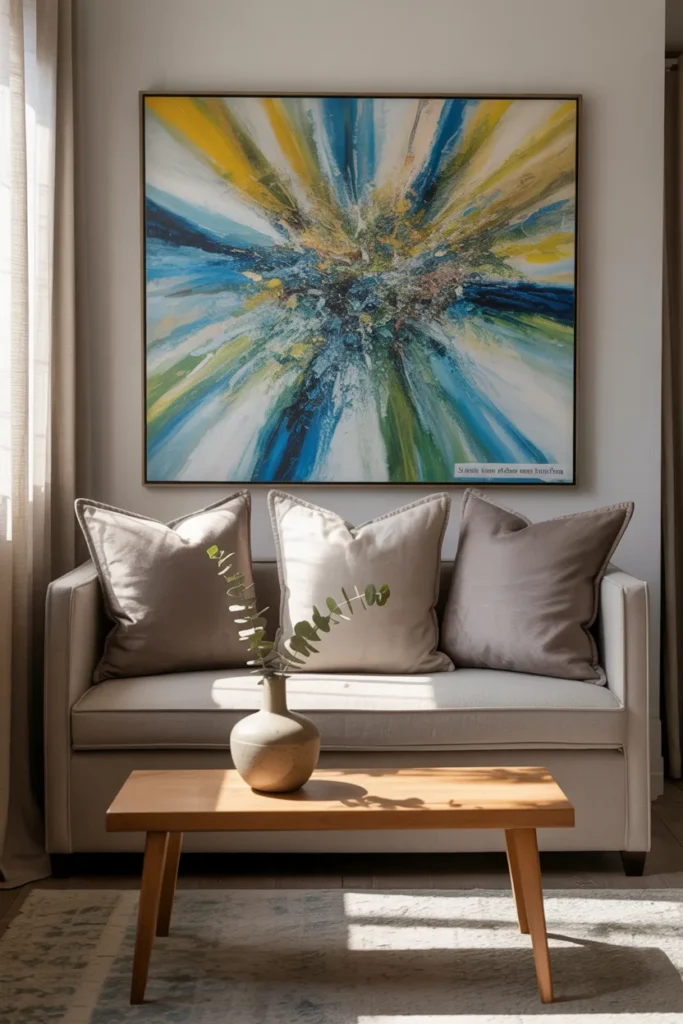
In a small living room, one bold artwork can carry the whole space. A large canvas or framed print becomes a focal point that adds character without clutter.
Hanging a single oversized piece above the sofa draws the eye upward. It anchors the wall while reducing the need for multiple smaller frames that may feel busy.
Choose colors that complement your scheme. A soft pastel painting calms, while bold abstract art adds energy. This simple touch makes your living room feel designed, not crowded.
Sliding Doors That Save Space
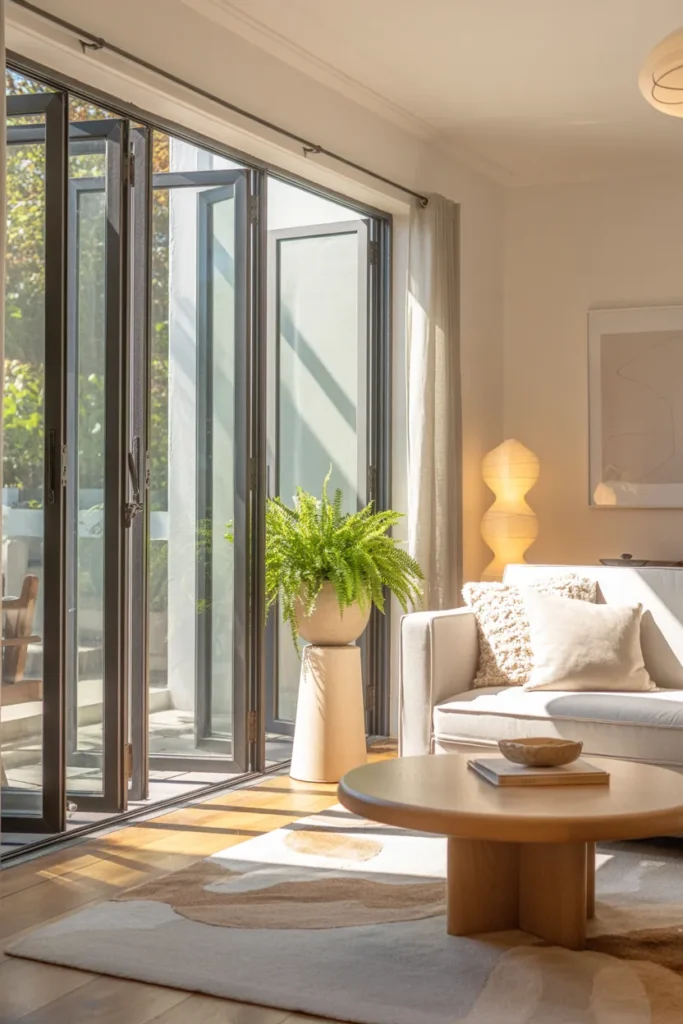
Traditional swing doors eat up valuable floor area. Sliding doors, especially glass or pocket styles, free up space while adding elegance.
By gliding along the wall or into a hidden cavity, they allow furniture placement closer to entrances. You gain flexibility in how you arrange your room without worrying about door clearance.
Glass sliding doors bring natural light into your living area, while wooden ones add warmth. Both create an uncluttered look that suits small homes beautifully.
Plants That Add Fresh Energy
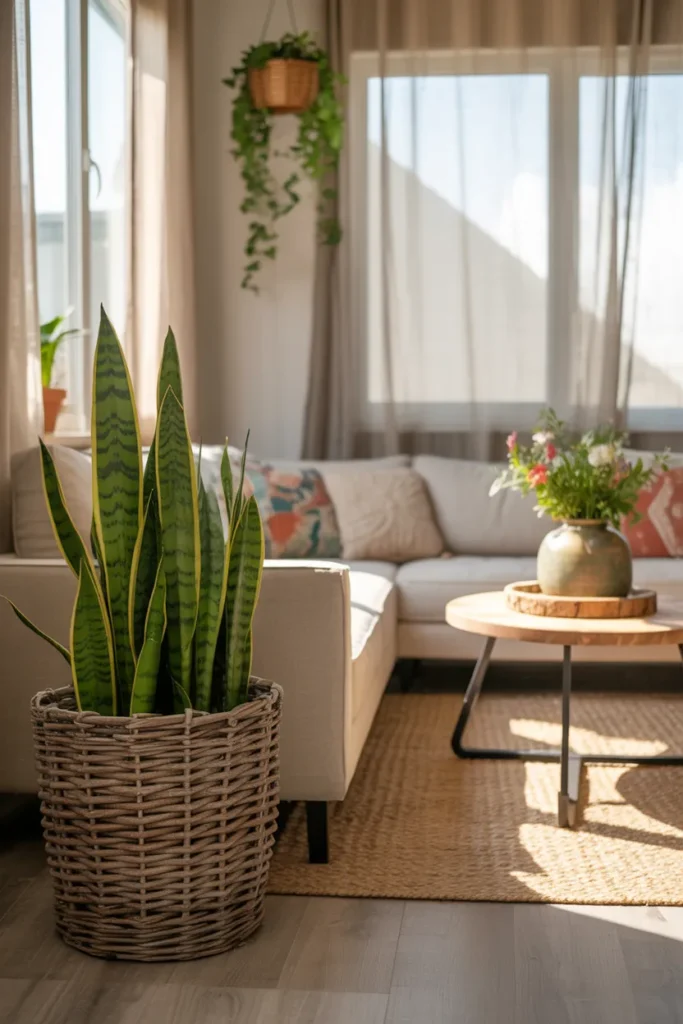
Greenery instantly lifts a small living room. Even a single leafy plant makes the air feel fresher and the mood more relaxed.
Compact spaces benefit from vertical plants like snake plants or hanging planters. They draw the eye upward while using little floor space. A few small succulents on a shelf add texture without clutter.
Mix ceramic pots with woven baskets for variety. Plants soften sharp lines of furniture and bring life to even the tightest corners.
Transparent Curtains for Gentle Light
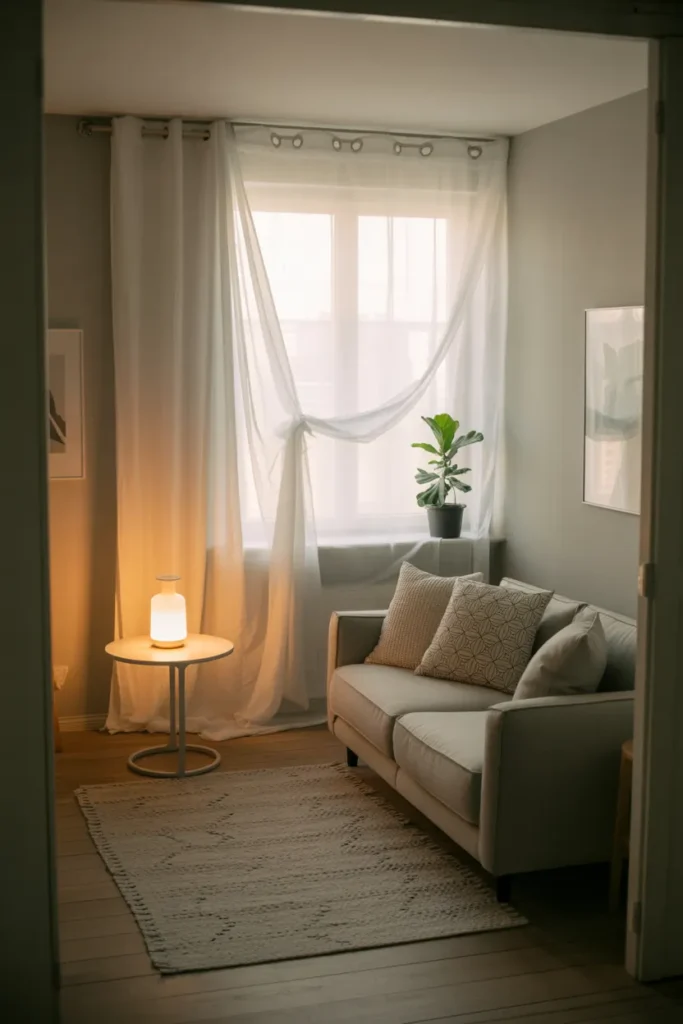
Heavy drapes can weigh a small room down. Sheer curtains filter sunlight softly, creating an airy, relaxed setting.
They let natural light fill the space without leaving your windows bare. During the day, the glow adds warmth; at night, layering them with blinds offers privacy.
Choose neutral whites, creams, or light grays to keep the effect subtle. The movement of sheer fabric in the breeze brings softness that makes a room feel lived-in and calm.
Accent Chairs That Add Personality
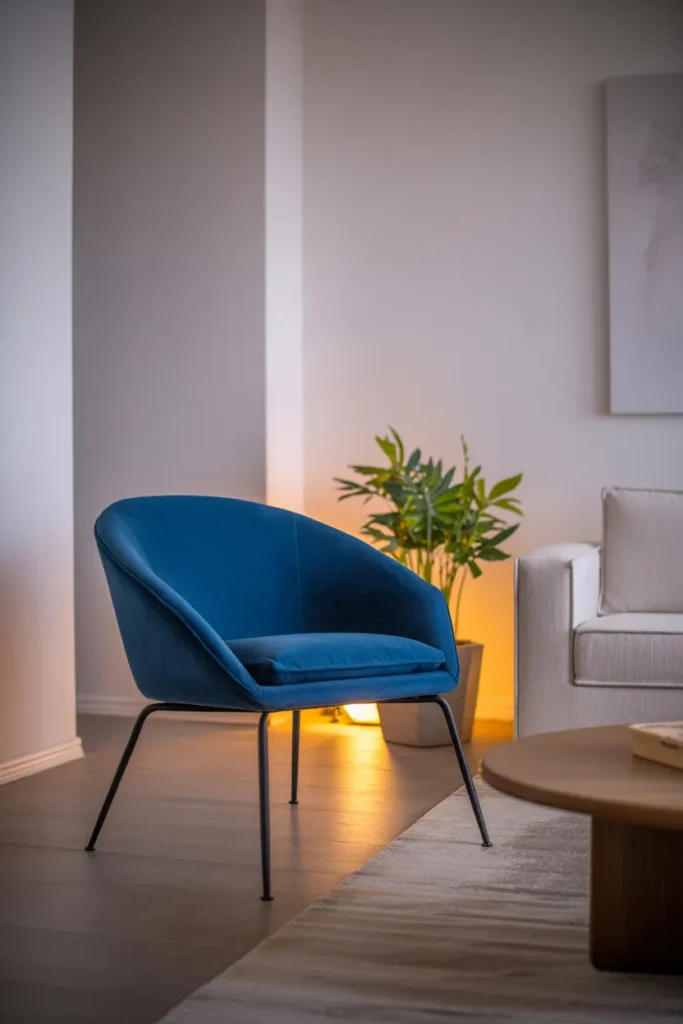
Adding one accent chair changes the energy of a small living room. A bold color or unique shape breaks the monotony and adds style.
Instead of bulky armchairs, pick slim designs with open legs. They take up less space but still provide comfort and flair. Patterned fabric or a pop of velvet turns the chair into a statement.
Balance is key. Keep the rest of the furniture neutral so the chair shines. This way, your room feels stylish without overcrowding.
Wall Mounted Lighting to Save Surfaces
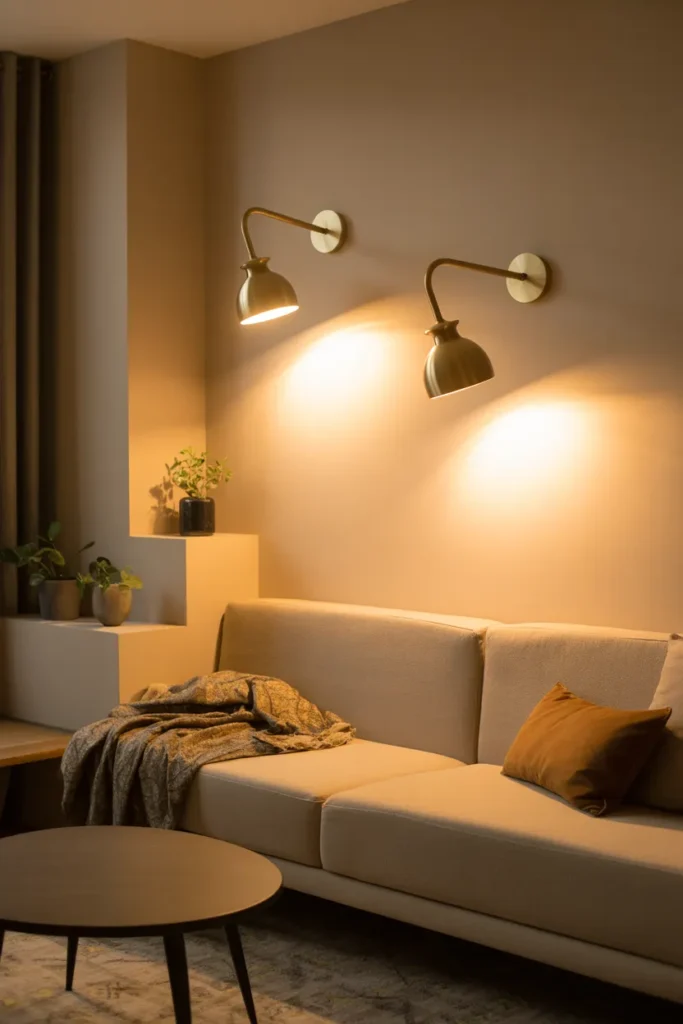
Table lamps often compete for space in small rooms. Wall mounted sconces give you light without cluttering side tables.
Mounting them above or beside the sofa frees surfaces for books, drinks, or decor. Adjustable sconces add flexibility, letting you angle the light where it’s needed.
Choose sleek metal finishes for modern style or brass for warmth. Wall lights double as design elements while keeping surfaces open and practical.
Corner Sofas That Maximize Seating
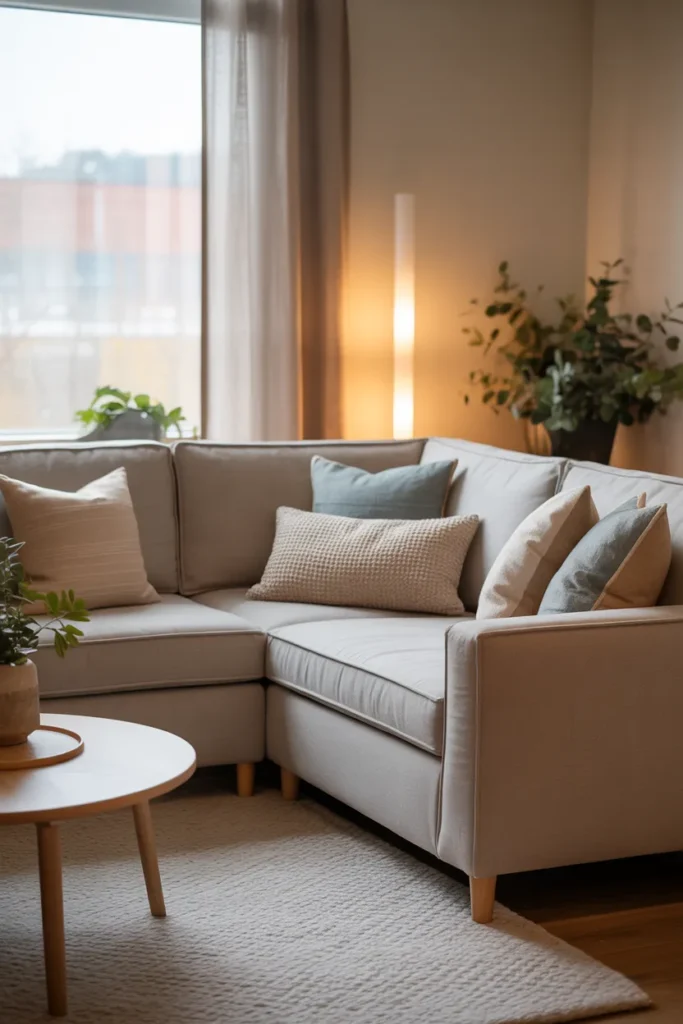
Corners often get wasted in small living rooms. A compact L-shaped sofa fills that gap and instantly creates more seating.
By hugging the wall, it opens up central space for a rug or coffee table. You gain function without crowding walkways. A sectional also anchors the layout, making the room feel complete.
Pair it with light upholstery and slim arms so it doesn’t overwhelm. Add textured pillows for comfort and style. The result is cozy yet efficient.
Neutral Palettes with Pops of Color
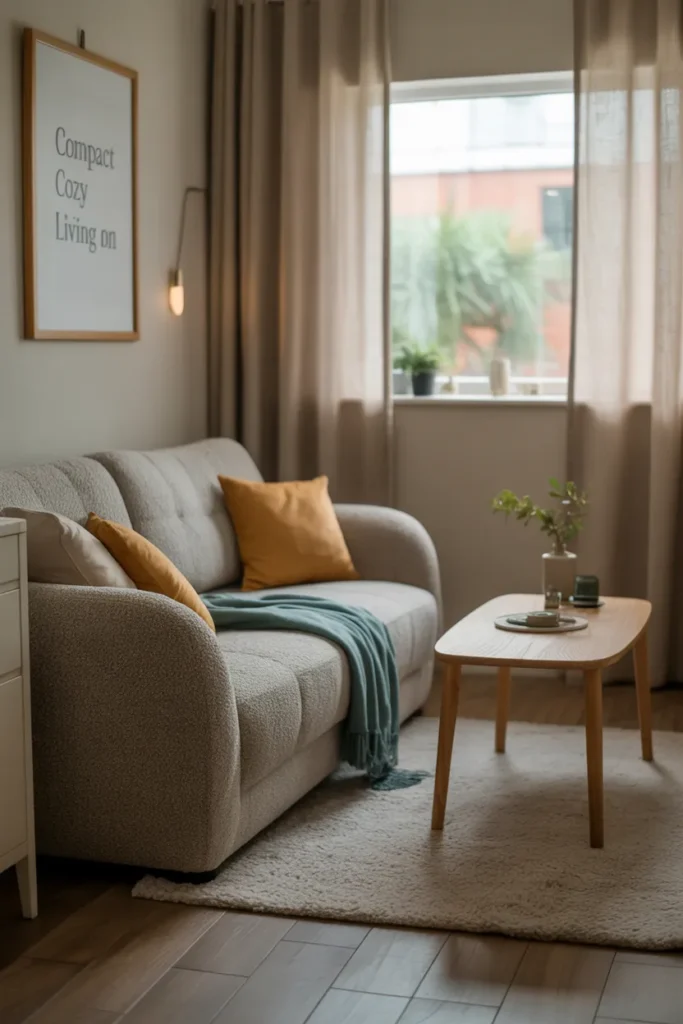
Neutral walls and larger pieces keep a small room calm. But a few bursts of color bring it to life without overpowering.
Think beige or gray seating paired with mustard cushions, teal throws, or coral artwork. The background stays soft, while accents create personality.
This approach allows you to refresh the room seasonally. Swap pillows or rugs for a new look without changing major pieces. It’s budget-friendly and stylish.
Hidden Storage That Keeps Clutter Away
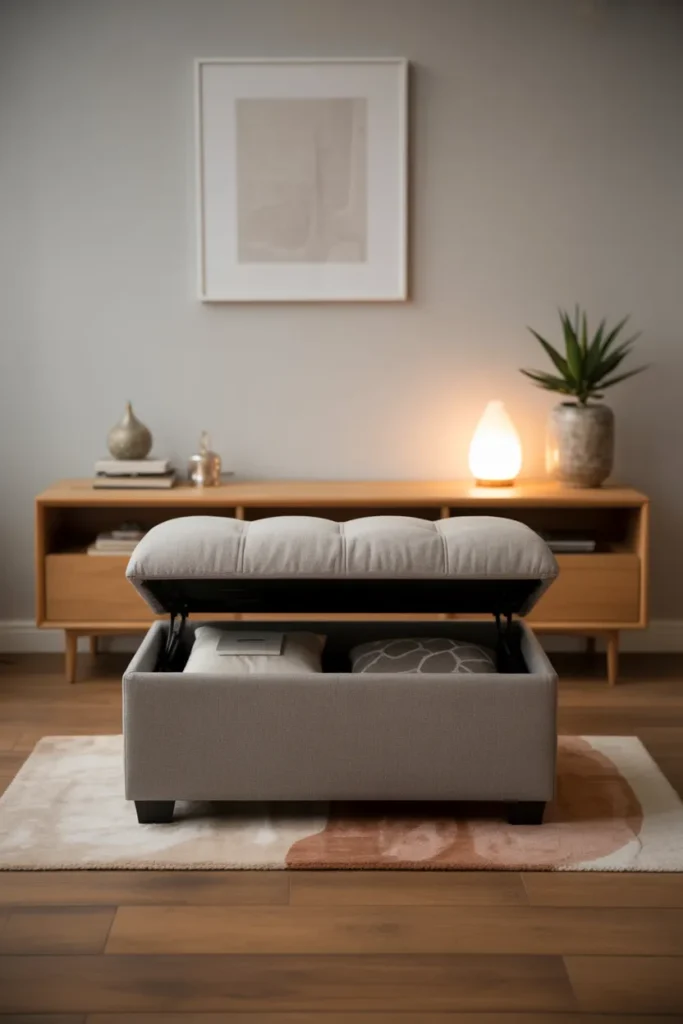
Small spaces feel messy fast. Hidden storage keeps essentials out of sight, so the room stays calm and open.
Think ottomans with lift up tops, side tables with drawers, or TV consoles with hidden compartments. You gain function without adding bulk.
Organize items like remotes, blankets, and books inside. Surfaces stay clear, making the room look larger and more welcoming.
Layered Textures for Depth
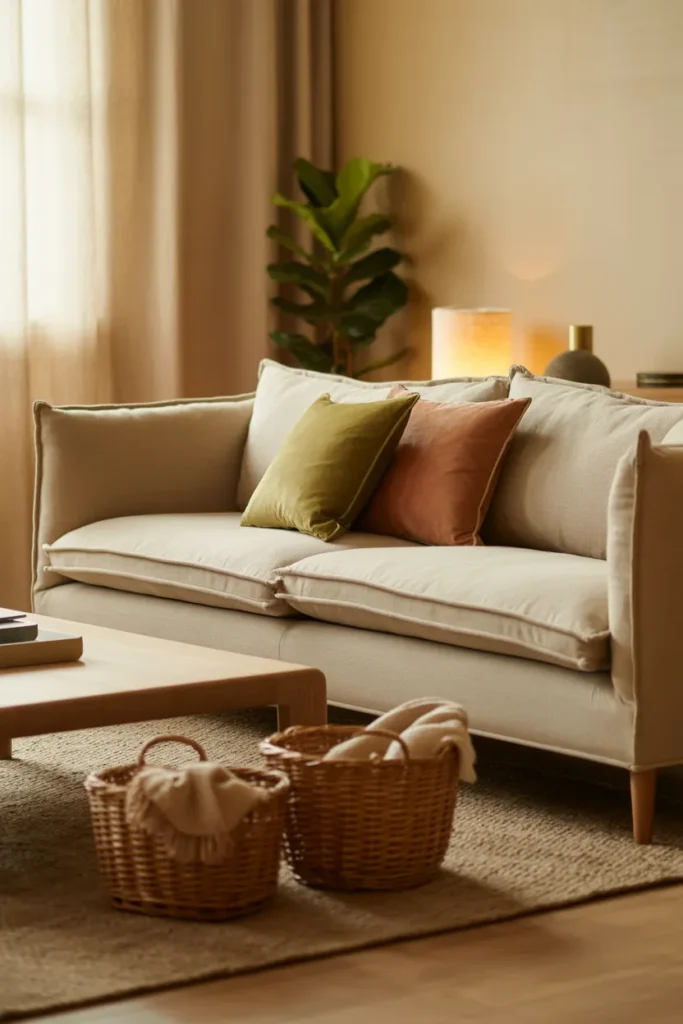
When square footage is limited, texture adds richness that color alone can’t. A mix of fabrics and finishes makes the space feel warm and dynamic.
Pair a soft wool rug with a linen sofa and velvet cushions. Add a wooden table for contrast and maybe a woven basket for natural touch. Each layer adds depth without adding clutter.
This approach engages the senses. The room feels cozy, tactile, and visually interesting even if it’s small.
Minimalist Design That Embraces Space
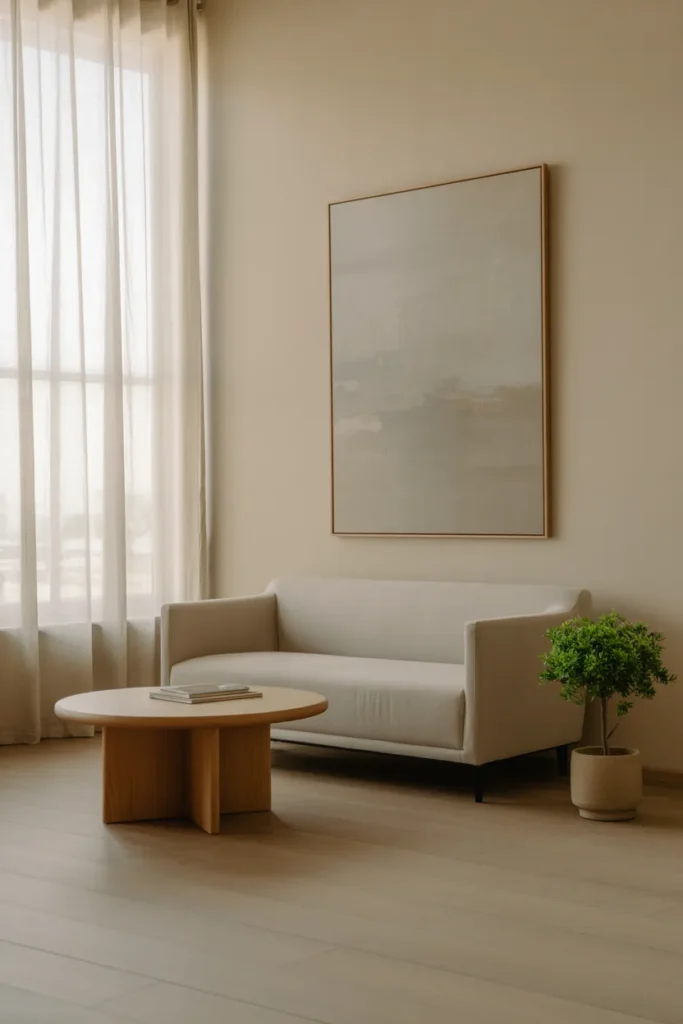
Less can be more in a small living room. By keeping furniture simple and decor restrained, you give the eye space to breathe.
Choose a slim sofa, one table, and a single artwork. Keep surfaces clear and stick to a restrained palette. The openness itself becomes a design statement.
Minimalism doesn’t mean empty. A single plant or textured rug adds comfort while staying uncluttered. The focus stays on space, light, and calm.
Gallery Walls That Tell a Story
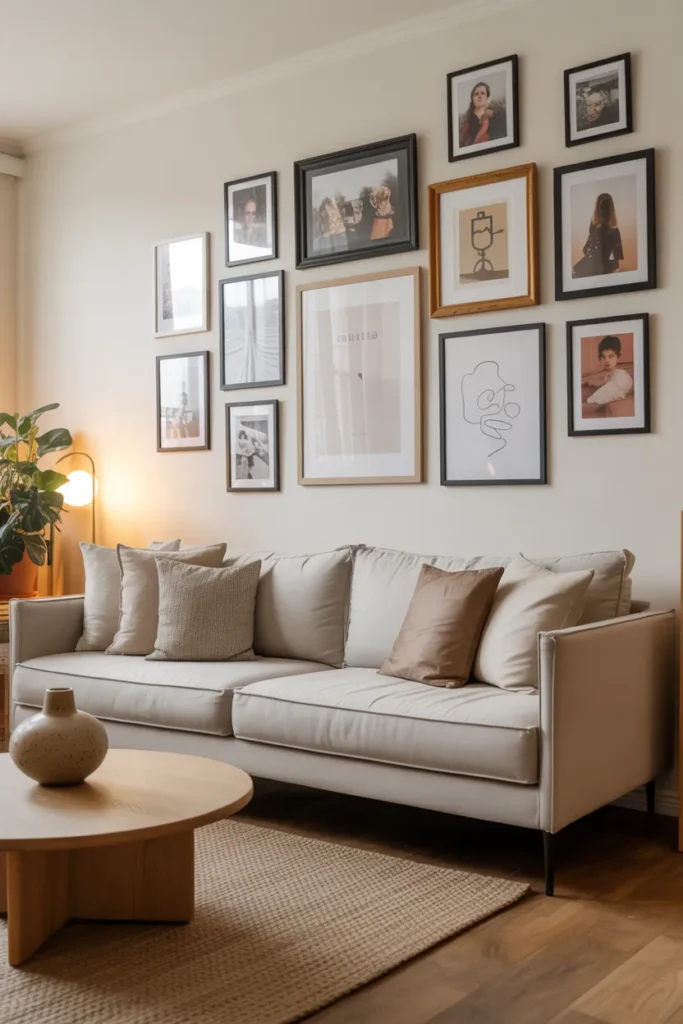
A gallery wall turns blank space into a personal showcase. Instead of one large piece, you display a collection of smaller frames.
Mix family photos, travel prints, or minimalist art. Vary frame sizes for rhythm but stick to a theme so it feels cohesive. This adds character without taking up floor space.
Arrange frames in a grid for order or scatter them for a relaxed look. The wall becomes a focal point that makes your room feel curated and inviting.
Foldable Furniture for Flexibility
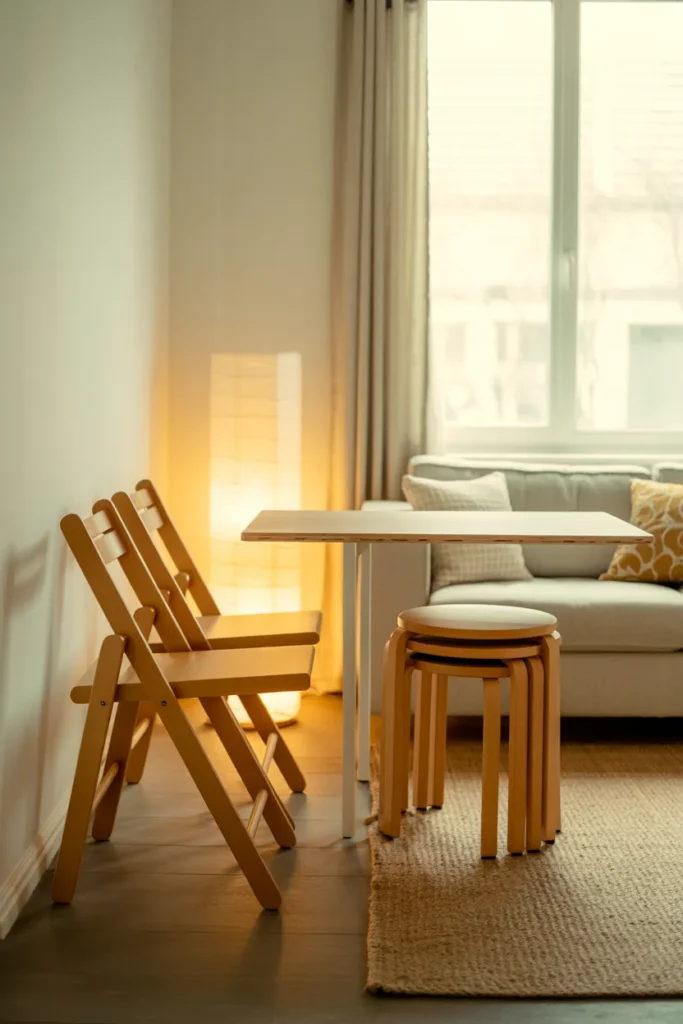
Small living rooms benefit from pieces that tuck away. Foldable chairs, nesting stools, or drop leaf tables adapt as your needs change.
When guests arrive, bring them out. When the room is quiet, fold them back to free space. You keep flexibility without constant clutter.
Lightweight designs in wood or metal work best. Store them neatly against a wall or under a console when not in use.
Statement Ceilings That Draw the Eye
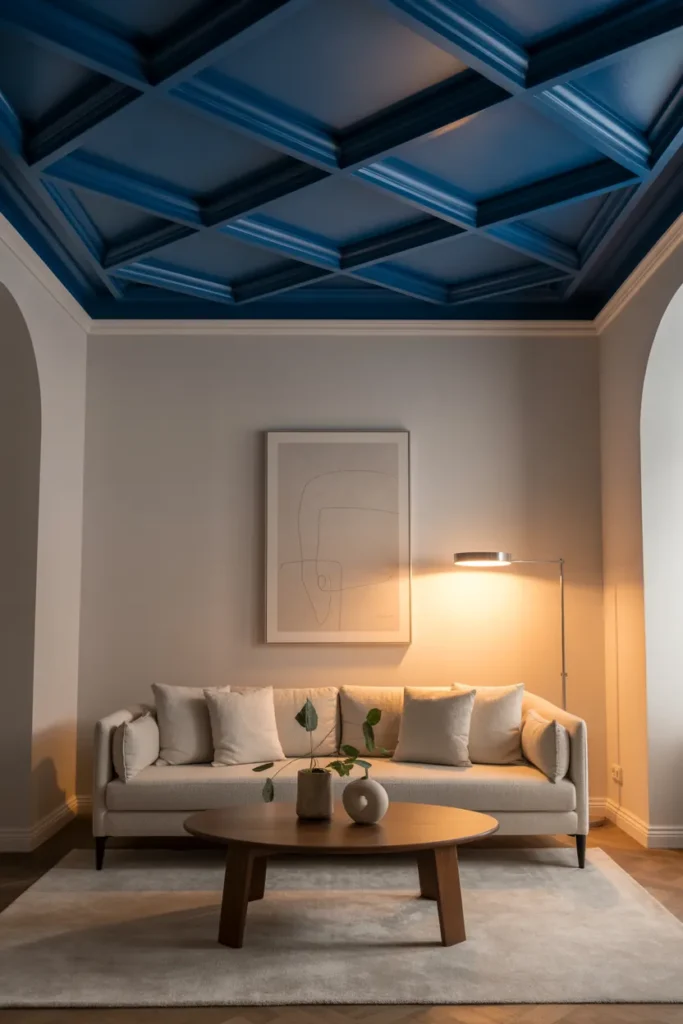
When floor space is limited, lift the gaze upward. A painted ceiling, exposed beams, or subtle wallpaper overhead adds drama without crowding.
Bold colors like navy or forest green make ceilings feel intentional. Patterns like stripes or geometric prints create movement and depth.
Pair with simple furniture so the ceiling remains the star. This trick makes the room memorable and feels larger by guiding the eye upward.
Cozy Nooks with Window Seating
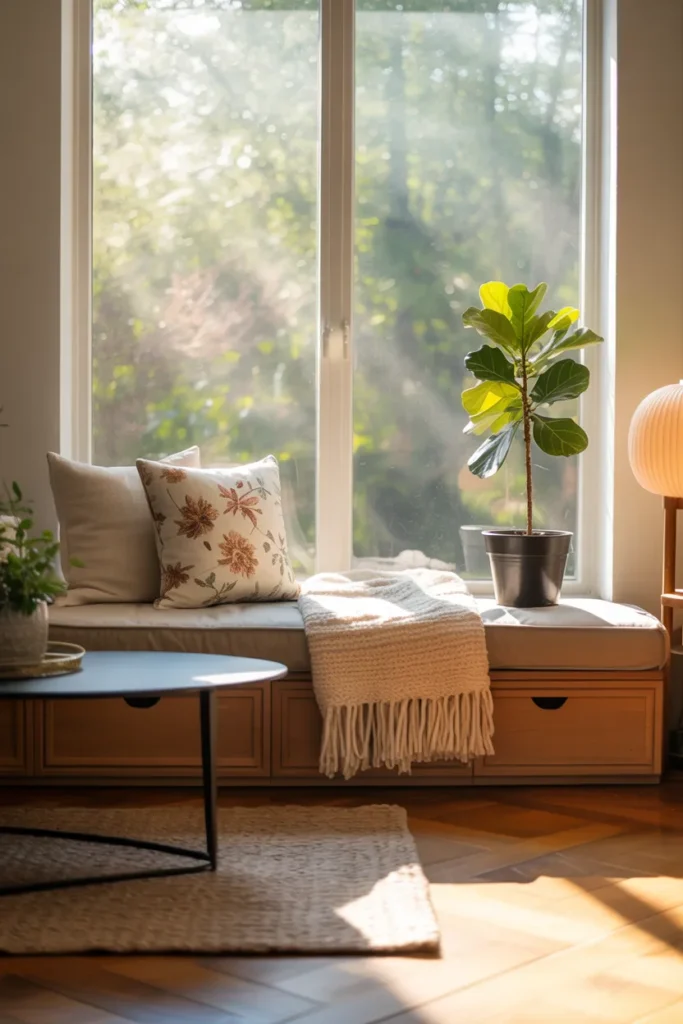
A window seat creates charm and function in small spaces. A built-in bench beneath a window offers extra seating and storage in one spot.
Add cushions and throws for comfort. It becomes a cozy nook for reading, sipping coffee, or simply enjoying daylight.
Storage drawers below the bench keep essentials tucked away. This blend of function and charm maximizes every inch.
Open Shelving That Displays Personality
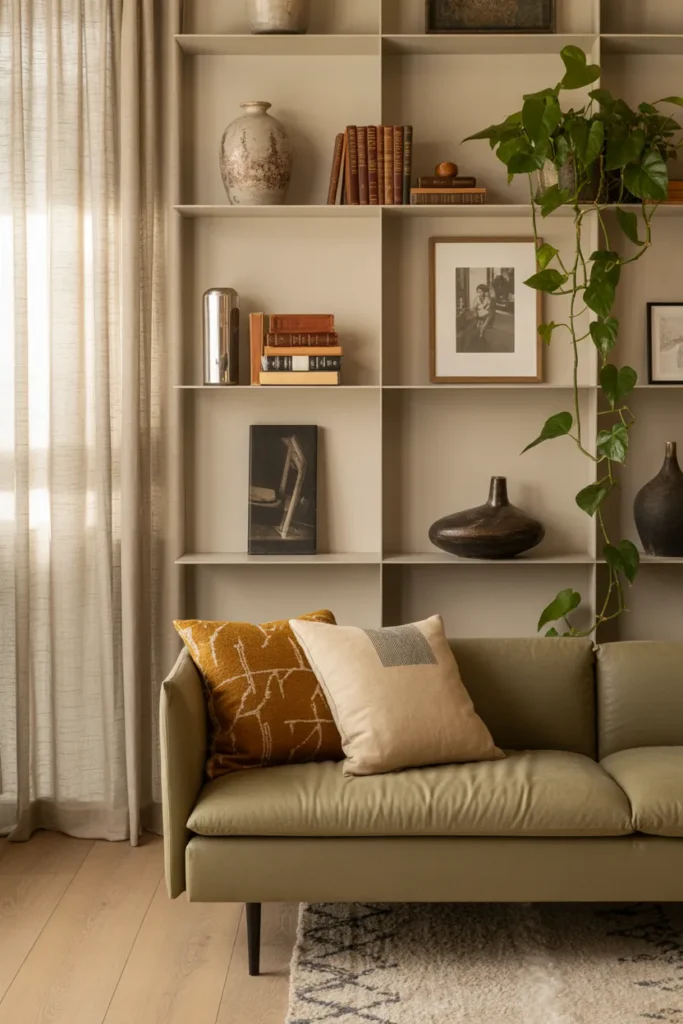
Open shelves let you showcase decor, books, and plants without closing off space. They keep the room airy while giving storage and style.
Arrange items in groups of three for balance. Mix textures ceramics, greenery, and wood for interest. Avoid overfilling to keep the look light.
Floating shelves above a sofa or in corners add vertical interest. They highlight your personality while making the room feel taller.
Smart Tech That Blends In
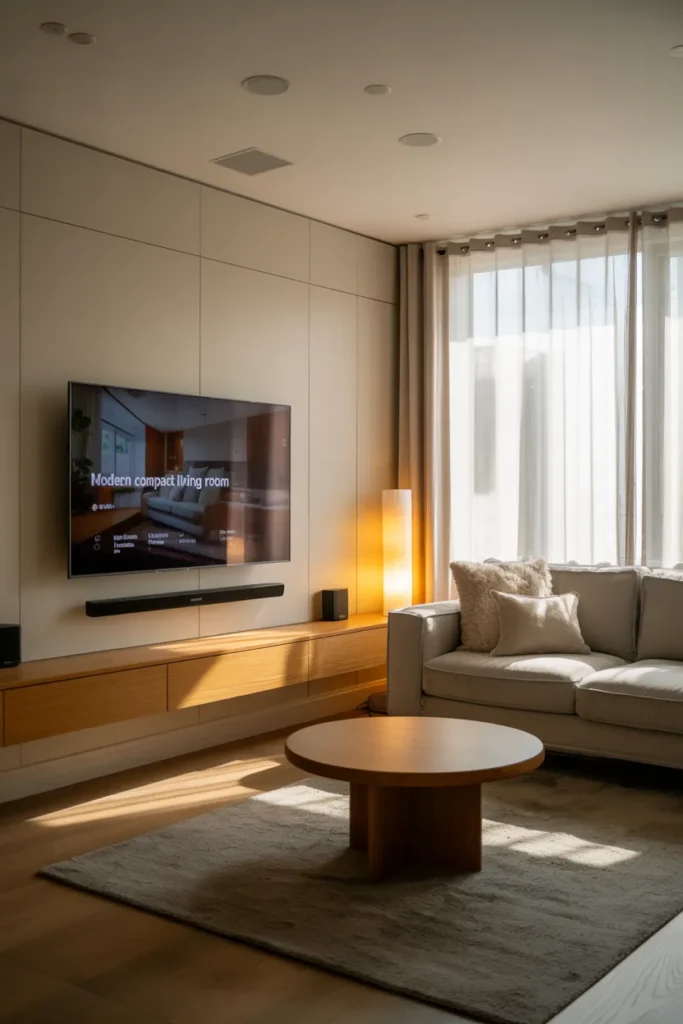
Technology can clutter a small living room if it stands out. Choosing sleek, built-in options keeps the focus on design.
A wall mounted smart TV replaces bulky consoles. Slim soundbars or hidden speakers provide quality audio without extra space. Smart lighting controlled from your phone eliminates the need for multiple switches or lamps.
These upgrades keep your room modern and practical without adding bulk. The goal is to integrate tech so it supports, not dominates, your space.
Bold Rugs That Anchor the Room
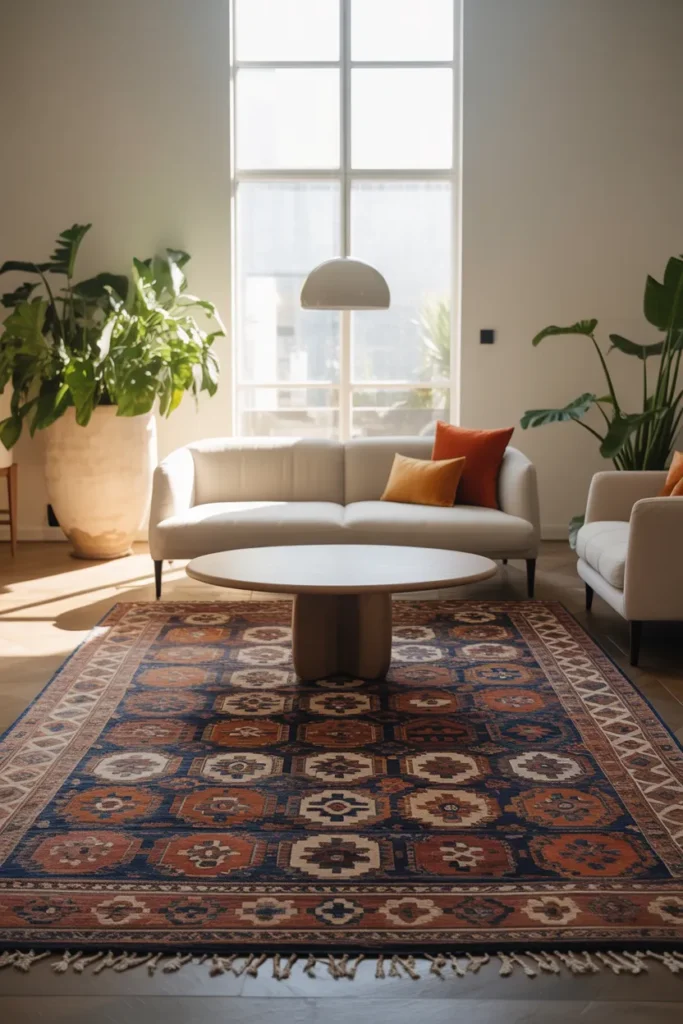
A striking rug can carry the whole design in a small space. Patterns or rich colors ground the furniture and add personality.
In compact living rooms, a bold rug creates focus so the rest of the decor can stay simple. Geometric prints add energy, while Persian inspired designs bring timeless charm.
Choose a size that sits under key furniture pieces. This unifies the layout and makes the room feel complete.
Mirrors on Furniture for Extra Light
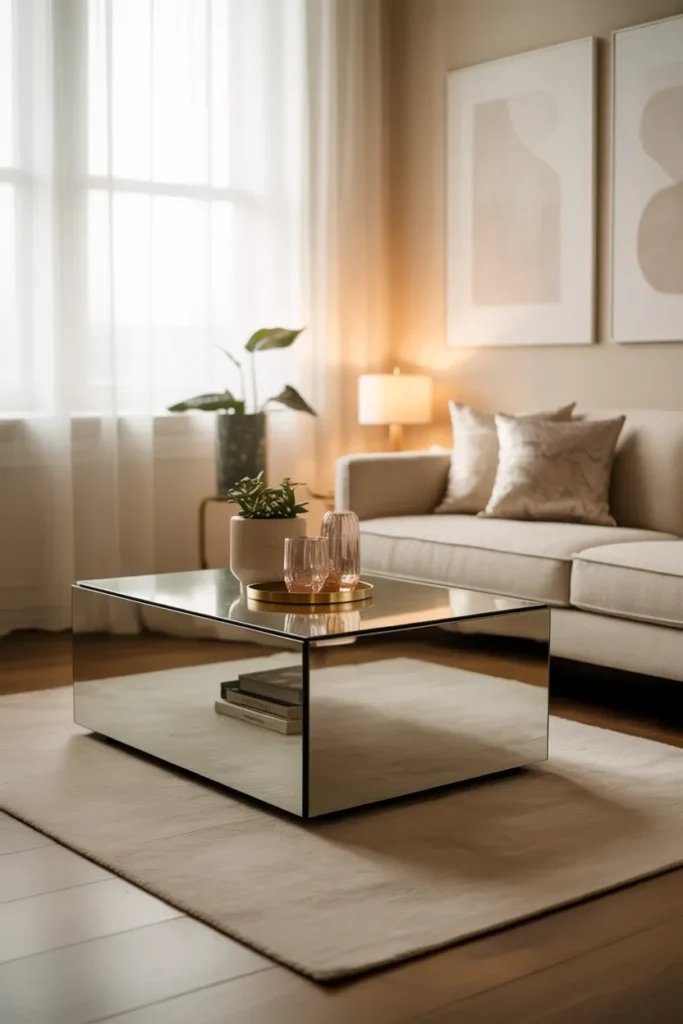
Mirrored furniture pieces reflect light and make small rooms feel bigger. A mirrored coffee table or cabinet adds shimmer without looking heavy.
These surfaces bounce brightness around, helping the space stay open. They also bring a touch of elegance that feels polished.
Pair mirrored pieces with matte fabrics or natural wood to balance shine. This keeps the look modern and not overwhelming.
Quick Tips for Small Living Room Ideas
- Stick to light colors on walls and furniture to make the space feel airy.
- Use mirrors to bounce light and create the illusion of more room.
- Choose multifunctional furniture like ottomans with storage or sofa beds.
- Think vertical with tall shelving and floating wall units.
- Layer your lighting using floor lamps, sconces, and table lamps for depth.
- Keep clutter hidden with smart storage solutions.
- Select slim, open-leg furniture to create more visible floor space.
- Use rugs to define zones and anchor your seating area.
- Add greenery with compact plants or hanging planters for freshness.
- Limit accessories and focus on one or two statement pieces for style.
Conclusion
Living small doesn’t mean living without style. With the right approach, even the most compact living room can feel airy, functional, and tailored to your lifestyle. It starts with embracing what you have, choosing versatile pieces, and layering textures, colors, and lighting that bring depth without clutter.
Each of these ideas proves that thoughtful design can turn limitations into strengths. A corner sofa can add more seating, a bold rug can anchor the layout, and wall mounted lighting can save precious surface space. Smart storage keeps clutter hidden, while plants and artwork inject life and warmth into the room.
Your living room should feel like an extension of you cozy, functional, and expressive. Use these small living room ideas as a starting point to spark creativity and solve everyday frustrations. With a few changes, your compact space can become the place where style meets comfort, and where small truly feels just right.