
How to Start a Small Garden Even If You’re a Beginner
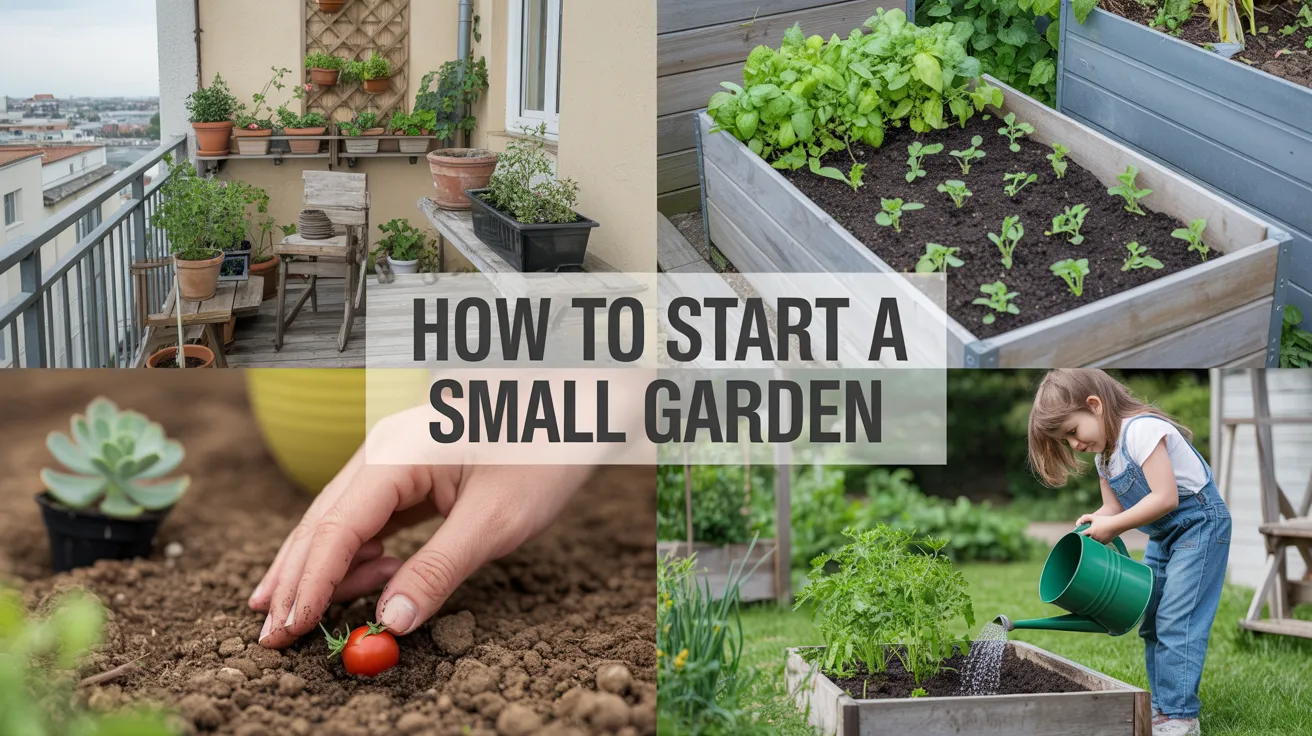
So, you’ve decided you want to grow things. Welcome to the club! There’s something incredibly satisfying about watching a tiny seed sprout into something you can actually eat or admire. But I get it; the idea of starting a garden can feel like you’re trying to solve a Rubik’s Cube in the dark. All the advice online, the weird looking tools, the Latin plant names… it’s a lot.
I’ve been there. My first “garden” was a single, very sad-looking tomato plant on my apartment balcony that produced exactly three tiny, sour tomatoes. It wasn’t exactly a roaring success, but it taught me a ton. The biggest lesson? Gardening doesn’t have to be complicated. You don’t need a huge backyard or a degree in botany. You just need a little patch of sun, some dirt, and the willingness to get your hands a little messy.
This guide is for you the absolute beginner who thinks they have a “black thumb.” Spoiler alert: black thumbs aren’t real. They’re just a sign you haven’t found the right plant or the right method yet. Together, we’ll walk through everything you need to know to start your own small garden, without the overwhelm. Ready? Let’s dig in.
Step 1: Picking Your Perfect Spot (Because Location is Everything)
Before you even think about buying seeds, you need to figure out where this garden of yours is going to live. This is honestly the most critical step, so don’t just plop your pots down in the first place you see. Plants are a bit like people; they have their preferences, and most of them are sun-worshippers.
Finding the Sun
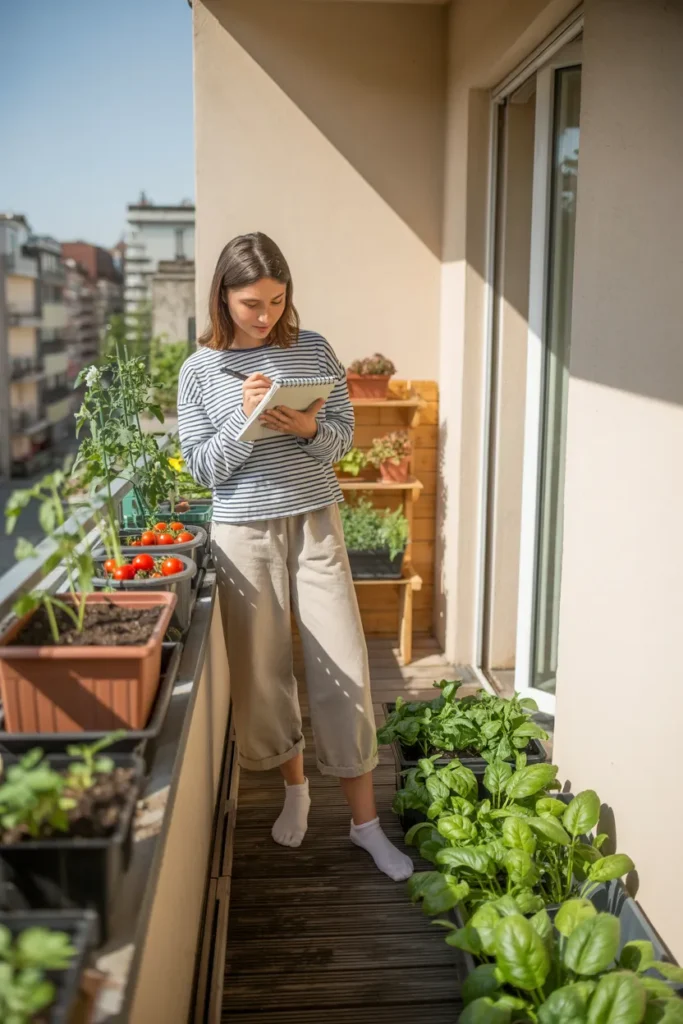
Your main mission is to become a sun detective. For one day, track the sunlight in the space you plan to use your balcony, patio, windowsill, or that little patch of yard. Take note of where the sun is in the morning, at noon, and in the afternoon. Most vegetables and flowering plants need at least 6-8 hours of direct sunlight per day to really thrive. This is what gardeners call “full sun.”
If you don’t have a spot that gets blasted with sun all day, don’t panic. Plenty of plants are perfectly happy with less. Areas that get 4-6 hours of direct sun are considered “part sun” or “partial shade.” Leafy greens like lettuce and spinach, as well as many herbs and some flowers like impatiens, actually prefer a break from the intense afternoon heat.
What if your place is more of a cave than a sun-drenched paradise? You still have options! Think about shade-tolerant plants like ferns, hostas, or even some indoor-friendly herbs that can get by with bright, indirect light. Or, you could always fake it ’til you make it with a grow light. Technology, am I right?
Considering the Elements
Sun isn’t the only factor. Is your chosen spot super windy? A constant breeze can dry out your plants and even damage delicate stems. If so, you might need to create a little windbreak. Also, make sure your garden is close to a water source. Lugging a heavy watering can back and forth across your entire apartment gets old fast. Trust me on this one.
Finally, think about convenience. The more you see your garden, the more you’ll care for it. A spot right by your back door or on the windowsill above your kitchen sink is a constant reminder to water, weed, and just generally admire your work. Out of sight, out of mind is a recipe for a sad, wilted plant graveyard.
Step 2: To Plant in the Ground or in a Pot? That is the Question.
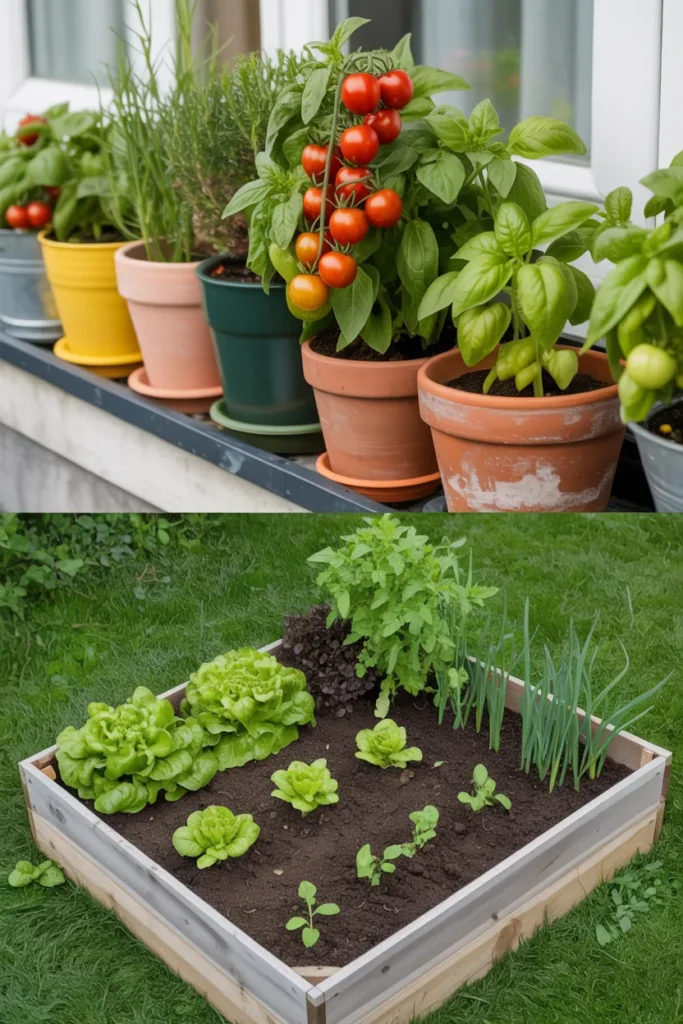
Once you’ve found your sunny (or semi-sunny) spot, it’s time to decide on the foundation of your garden. Are you going to dig directly into the earth, or will you use containers? Both have their pros and cons, and the right choice really depends on your space and goals.
The Case for Container Gardening
For most beginners, especially those with limited space like a balcony or patio, container gardening is the way to go. It’s like gardening with training wheels. You have total control over the soil, watering, and location. If a plant isn’t happy, you can just move it. Easy peasy.
- Pros of Containers:
- Ultimate control: You choose the perfect soil mix for what you’re growing. No dealing with rocky or clay-filled ground soil.
- Mobility: Chase the sun or move plants indoors during a freak cold snap.
- Fewer weeds: A pot is a self-contained universe. You’ll get a few stray weeds, but it’s nothing compared to an in-ground bed.
- Great for small spaces: Any balcony, stoop, or windowsill can become a garden.
- Cons of Containers:
- They dry out faster: This is the big one. You’ll need to water containers more often, sometimes daily during hot weather.
- Can get expensive: Buying large pots and enough potting mix to fill them can add up.
- Limited root space: Plants can become “root-bound” if their pot is too small, which stunts their growth.
Going In-Ground with Raised Beds
If you have a yard, you have more options. You could dig up a patch of lawn and create a traditional garden bed, but I’d like to suggest a slightly easier route for beginners: the raised bed. A raised bed is essentially a big, bottomless box that you set on the ground and fill with good-quality soil.
- Pros of Raised Beds:
- Excellent drainage: The soil is elevated, so excess water can drain away easily, preventing root rot.
- Better soil: You get to fill it with the good stuff—a perfect mix of compost and garden soil—instead of trying to amend whatever poor-quality dirt you have.
- Less bending over: That extra height makes a huge difference for your back during weeding and harvesting.
- They warm up faster: The soil in a raised bed gets warmer earlier in the spring, so you can start planting sooner.
- Cons of Raised Beds:
- Upfront cost and effort: You have to buy or build the frame and then haul in a lot of soil to fill it.
- More permanent: Once it’s in place, it’s pretty much there to stay for the season.
My honest opinion? Start with containers. It’s a lower-commitment way to learn the ropes. You can always graduate to a raised bed next year when you’re feeling more confident.
Step 3: Getting the Dirt on Soil (It’s More Than Just Dirt)
You might think dirt is dirt, but in the gardening world, this couldn’t be further from the truth. Using the right soil is like giving your plants a five-star hotel to live in versus a sketchy motel. Never, ever just dig up soil from your yard to put in a pot. It’s too dense, it won’t drain properly, and it might be full of weed seeds and pests.
For Containers: Potting Mix is Your Best Friend
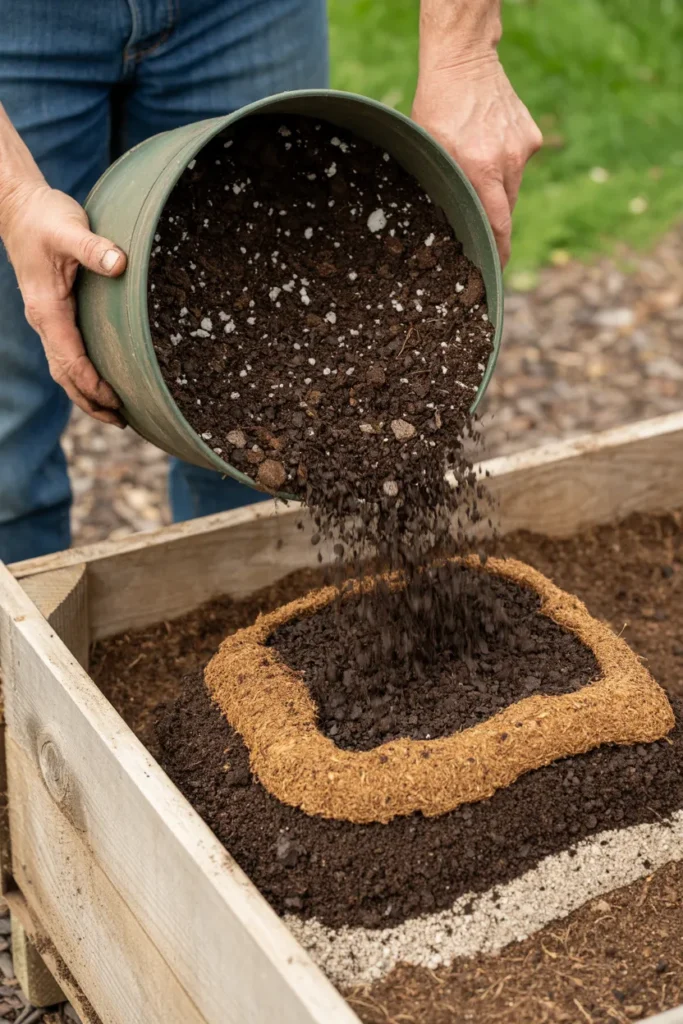
When you’re gardening in containers, you need to buy bags of potting mix (sometimes called potting soil). This isn’t soil at all; it’s a specially formulated, soil-less blend of ingredients designed for life in a pot.
A good potting mix usually contains:
- Peat moss or coco coir: These materials hold onto water and nutrients.
- Perlite or vermiculite: Those little white specks. They create air pockets in the soil, which helps with drainage and prevents the soil from compacting. Roots need to breathe too, you know?
- Compost or other organic matter: This is the food! It provides the essential nutrients your plants need to grow.
Don’t cheap out on potting mix. A high-quality mix is one of the best investments you can make for your garden’s success. It makes a HUGE difference.
For Raised Beds: The Perfect Blend
If you’re filling a raised bed, you’ll need a lot more soil, so buying dozens of bags of potting mix can get pricey. Instead, you’ll want to create or buy a blend specifically for raised beds. A common recipe is:
- 60% Topsoil: This is the bulk of your mix.
- 30% Compost: This is the most important ingredient. Compost is black gold for your garden—it’s packed with nutrients and beneficial microbes.
- 10% Potting Mix (or something for aeration): Adding some potting mix, perlite, or coco coir will help keep the blend from getting too heavy and compacted.
Many local garden centers sell a pre-made “raised bed mix” or “garden soil blend” that works great. Just tell them the dimensions of your bed, and they can help you calculate how much you need.
Step 4: Choosing Your Plants (Don’t Get Overexcited)

This is the fun part! Walking through a nursery is like being a kid in a candy store. Everything looks so green and full of promise. But hold on. A common rookie mistake is buying one of everything that looks cool. This usually ends in a crowded, chaotic mess where nothing gets what it needs.
Start with the Easy Stuff
Set yourself up for success by choosing plants that are known for being easygoing and productive. Think of these as your gateway plants. Once you successfully grow these, you’ll have the confidence to try more finicky things.
My Top Picks for Beginner-Friendly Edibles:
- Leaf Lettuce: You can grow “cut-and-come-again” varieties where you just snip off the outer leaves, and the plant keeps producing. It grows fast, and there’s nothing better than a salad made with lettuce you picked 30 seconds ago.
- Herbs: Basil, mint, chives, and parsley are almost foolproof. Just be warned: plant mint in its own pot unless you want it to take over your entire garden, your lawn, and possibly your neighbor’s lawn. It’s an aggressive little guy.
- Radishes: The ultimate plant for impatient gardeners. They can go from seed to harvest in as little as three weeks. Instant gratification!
- Bush Beans: These don’t need a trellis to climb on, and they are super productive. One plant will give you handfuls of beans.
- Cherry Tomatoes: Choose a “patio” or “dwarf” variety that’s bred for containers. They are much easier to manage than the giant, sprawling types.
Easiest Flowers for Beginners:
- Marigolds: They’re tough, they bloom all summer, and they even help repel some pests. What’s not to love?
- Sunflowers: Is there a happier flower? Look for smaller varieties that won’t get too top-heavy for a pot.
- Zinnias: They come in every color of the rainbow and are ridiculously easy to grow from seed. They also make great cut flowers.
- Impatiens: Perfect for those shadier spots. They provide a constant pop of color from spring until frost.
Seeds vs. Starts (A Head Start is Nice)
You have two options for getting plants: starting them from seeds or buying young plants, called starts or transplants.
- Seeds: Cheaper, and you get a much wider variety to choose from. However, it takes longer, and some seeds can be tricky to germinate. It requires a bit more patience.
- Starts: More expensive, but you’re getting a plant that’s already a few weeks old. This is a fantastic shortcut for beginners, especially for plants that have a long growing season, like tomatoes and peppers.
My advice? Do a mix of both. Buy starts for your tomatoes and peppers. Grow easy things like lettuce, radishes, and beans from seed directly in their final pots. It’s the best of both worlds.
Step 5: Planting Day!
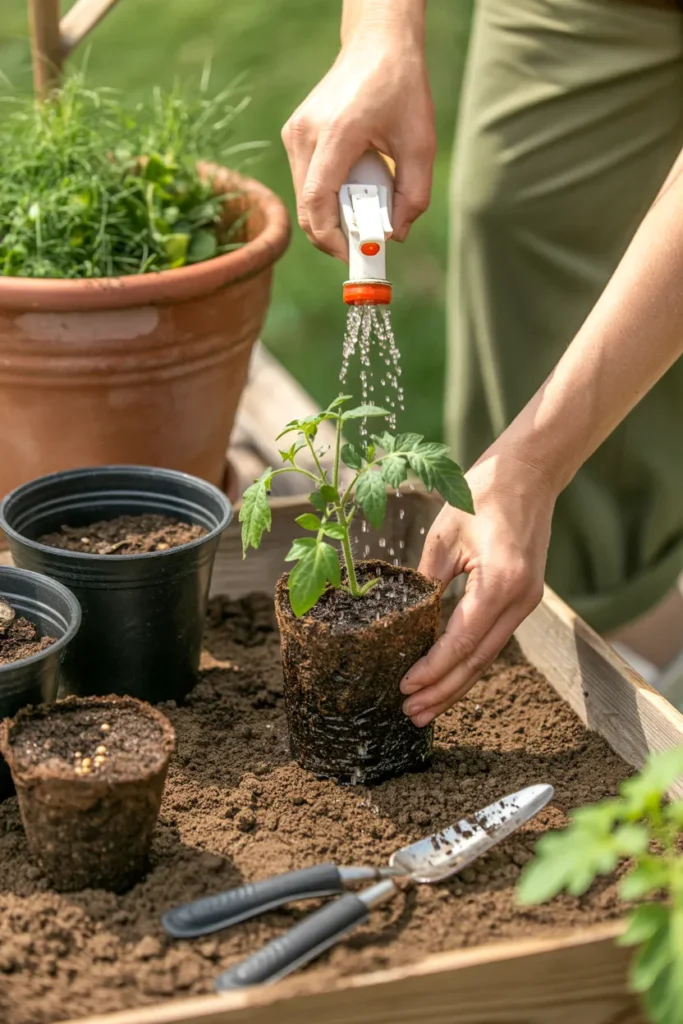
You’ve got your spot, your containers, your soil, and your plants. It’s go time! This is where the magic happens. Don’t be nervous; plants are more resilient than you think.
If You’re Planting Seeds
Read the back of the seed packet! I know, I know, who reads instructions? But seriously, the seed packet is your cheat sheet. It will tell you how deep to plant the seed and how far apart to space them. A good rule of thumb is to plant a seed about twice as deep as it is wide.
- Fill your container with pre moistened potting mix. Water the soil before you plant so the tiny seeds don’t get washed away.
- Poke a hole to the correct depth with your finger or a pencil.
- Drop in 2-3 seeds per hole. Why more than one? It’s insurance, in case one doesn’t sprout.
- Gently cover the seeds with soil and pat it down lightly.
- Give it a gentle mist of water. Keep the soil consistently moist (but not soaking wet) until you see sprouts.
Once your seedlings have grown their first set of “true leaves” (the second set of leaves they get), you’ll need to thin them. This is the hardest part for beginners. It feels cruel, but you have to choose the strongest-looking seedling in each spot and snip the others at the soil line with a pair of scissors. If you don’t, they’ll all compete for resources and none of them will thrive. Be ruthless. It’s for the greater good.
If You’re Planting Starts
This is much more straightforward.
- Dig a hole in your container that’s slightly larger than the root ball of the plant.
- Gently squeeze the sides of the plastic pot the start came in and tip it upside down. The plant should slide right out.
- Gently loosen the roots. If the roots are tightly wound in a circle at the bottom, carefully tease them apart with your fingers. This encourages them to grow outward into the new soil.
- Place the plant in the hole, making sure the top of its root ball is level with the surrounding soil. For tomatoes, you can actually plant them deeper, burying the bottom part of the stem it will grow new roots and be sturdier. FYI, that’s a cool little hack.
- Fill in the hole with soil, pressing down gently to remove air pockets.
- Water it in thoroughly. This helps the roots settle into their new home.
Step 6: Keeping Your Plant Babies Alive (Water, Food, and Sunshine)

You’ve planted your garden. Congratulations! Now comes the part that feels like having a new pet. You need to tend to it. But don’t worry, it’s not a 24/7 job. A few minutes each day is all it takes.
The Art of Watering
Overwatering and underwatering are probably the top two killers of beginner gardens. So how do you know when to water? Don’t just water on a schedule. Instead, learn to check your soil.
The best way is the finger test. Stick your finger about an inch or two into the soil. If it feels dry at that depth, it’s time to water. If it feels moist, leave it alone. It’s really that simple.
When you do water, water deeply and thoroughly until you see water coming out of the drainage holes at the bottom of the pot. This encourages roots to grow deep. Shallow, frequent watering just encourages shallow roots, making the plant weaker. Also, try to water the soil, not the leaves, to help prevent fungal diseases.
A Word on Feeding Your Plants
The compost in your potting mix will feed your plants for a while, but for heavy feeders like tomatoes, they’ll eventually need a boost. Think of it like a mid-marathon energy gel.
After about a month, you can start feeding your container plants every 2-4 weeks with a liquid fertilizer. There are tons of options out there seaweed emulsions, fish emulsions, or just a good all purpose liquid plant food. Just follow the directions on the bottle; more is not better when it comes to fertilizer. Over-fertilizing can burn your plants’ roots.
Weeding and General Tidying
Even in containers, a few weeds will pop up. Pull them as soon as you see them. They steal water and nutrients from your plants. While you’re at it, pinch off any yellowing or dead leaves. This keeps the plant looking tidy and helps prevent disease. This daily check-in is the best habit you can form as a new gardener.
You’ve Got This!
Starting a garden is a journey, not a destination. Some things will thrive, and some things will… well, not. And that is perfectly okay! Every dead plant is a lesson learned. My first herb garden was completely annihilated by aphids. Did it suck? Yes. Did I learn about insecticidal soap and the importance of checking the undersides of leaves? Also yes.
Don’t let the fear of failure stop you from trying. The feeling of harvesting your first tomato, snipping your own herbs for dinner, or seeing a bee visit a flower you grew is pure magic. It connects you to your food and to the natural world in a way that few other things can.
So start small, pick easy plants, and don’t be afraid to get a little dirt under your nails. You’ll be amazed at what you can grow. Happy gardening!