
5 DIY Garden Trellis Projects Anyone Can Try: Simple & Creative Ideas
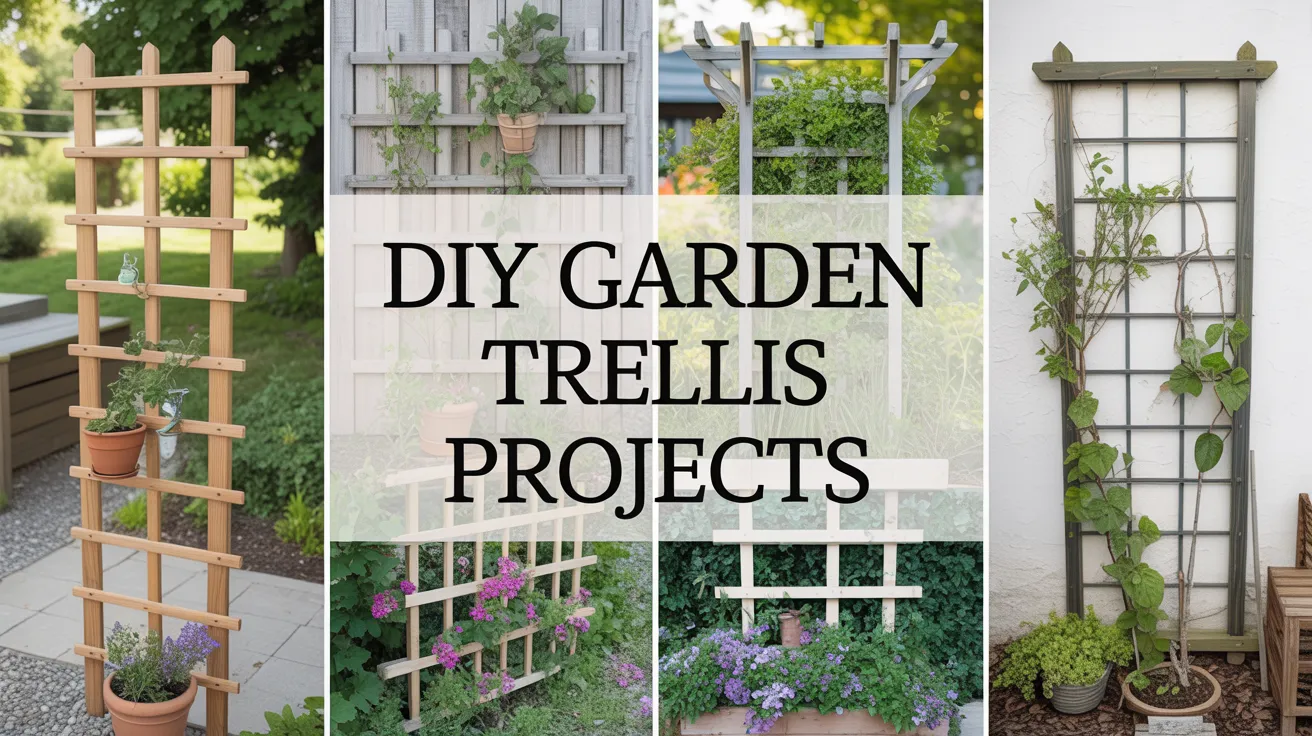
Many gardeners want to add support for climbing plants without spending a lot of money or buying complicated materials. DIY garden trellises are a simple, affordable way to boost plant growth while adding charm to outdoor spaces. They can be made from common items found around the house, making them accessible to anyone.
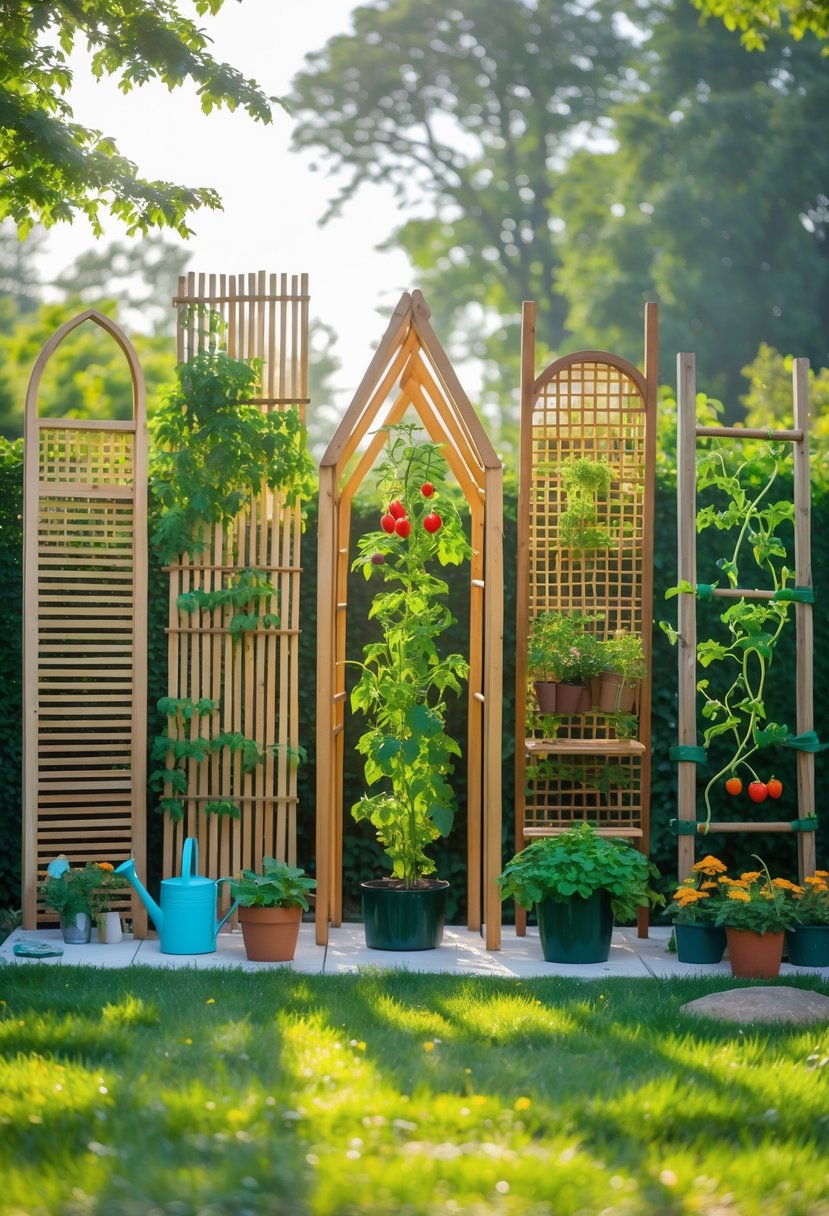
These 5 DIY garden trellis projects use easy-to-find materials and straightforward designs, making them perfect for gardeners of all skill levels. Whether the goal is to support vegetables, flowers, or vines, these projects offer practical solutions that blend function with style.
Each project focuses on using recycled or repurposed materials, showing that garden upgrades don’t have to be costly or difficult. This approach helps create a more sustainable garden that reflects personal creativity while providing essential plant support.
Benefits of DIY Garden Trellis Projects
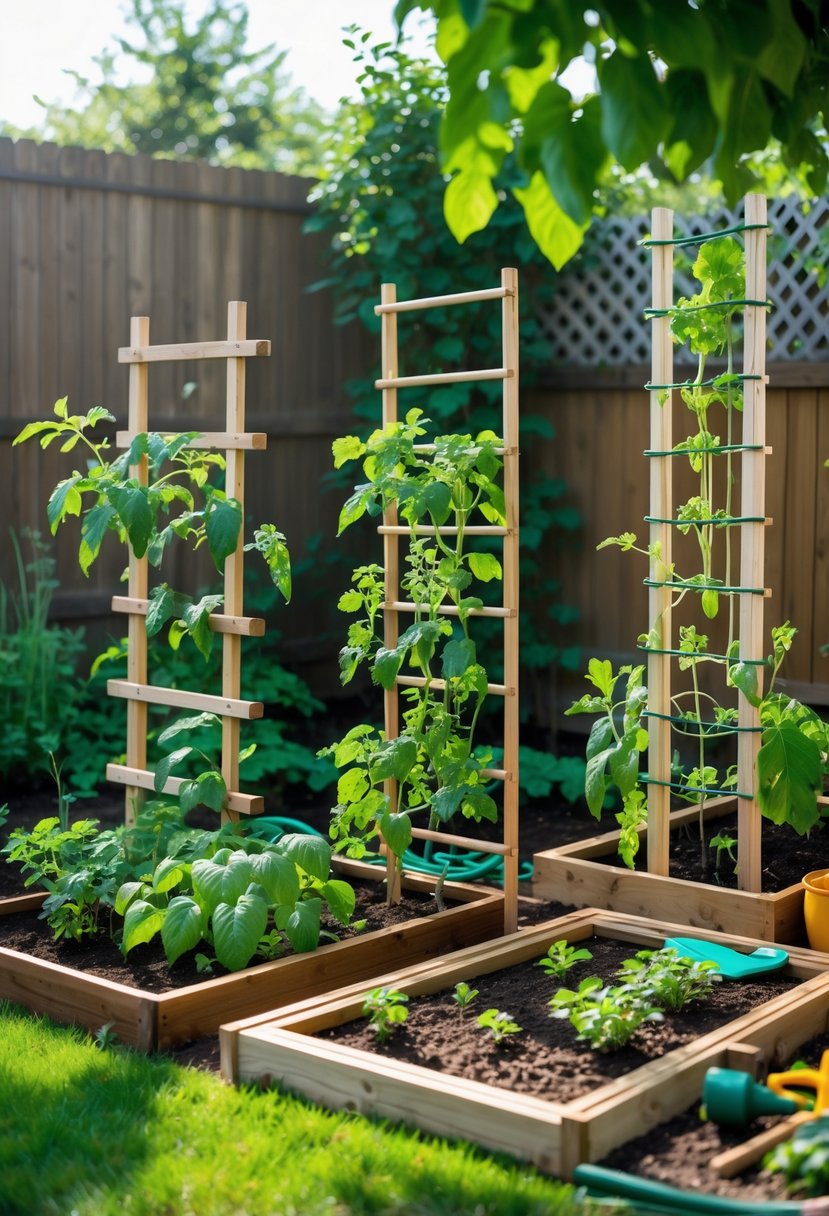
DIY garden trellis projects offer practical ways to support climbing plants while improving garden layout and plant health. They help use vertical space effectively and make gardens easier to manage.
Vertical Gardening Advantages
A garden trellis allows plants to grow upward rather than spread on the ground. This vertical gardening approach increases the number of plants in a limited space.
Using trellises lifts plants off the soil, which improves air circulation. Better airflow reduces risks of fungal diseases and pest infestations. Plants growing vertically also get more sunlight exposure evenly.
Vertical gardens with trellises create a neat and organized look. This makes gardening simpler, especially in small yards or urban spaces. Trellises can be customized in height and style to suit different climbing plants and garden designs.
Improved Plant Health and Growth
Trellises provide strong support for climbing plants like peas, cucumbers, and beans. This support helps plants grow straighter and reduces breakage from wind or heavy fruit.
By training plants on a trellis, gardeners can avoid tangled vines and overcrowding. This leads to healthier plants with fewer disease problems because there is more space and airflow.
Harvesting becomes easier with the plants elevated. It also helps prevent damage to fruits and vegetables that would otherwise sit on damp soil.
Maximizing Garden Space
DIY garden trellis projects can transform unused vertical areas into productive growing spots. They make the most of fences, walls, or unused corners.
This space-saving strategy enables gardeners to grow more in smaller spaces. Instead of plants spreading across the ground, they climb upwards, freeing room for other crops.
Trellises can support multiple climbing plants at once, increasing garden yield without expanding the garden bed size. This makes trellises a practical tool for gardeners working with limited square footage.
Essential Tools and Materials
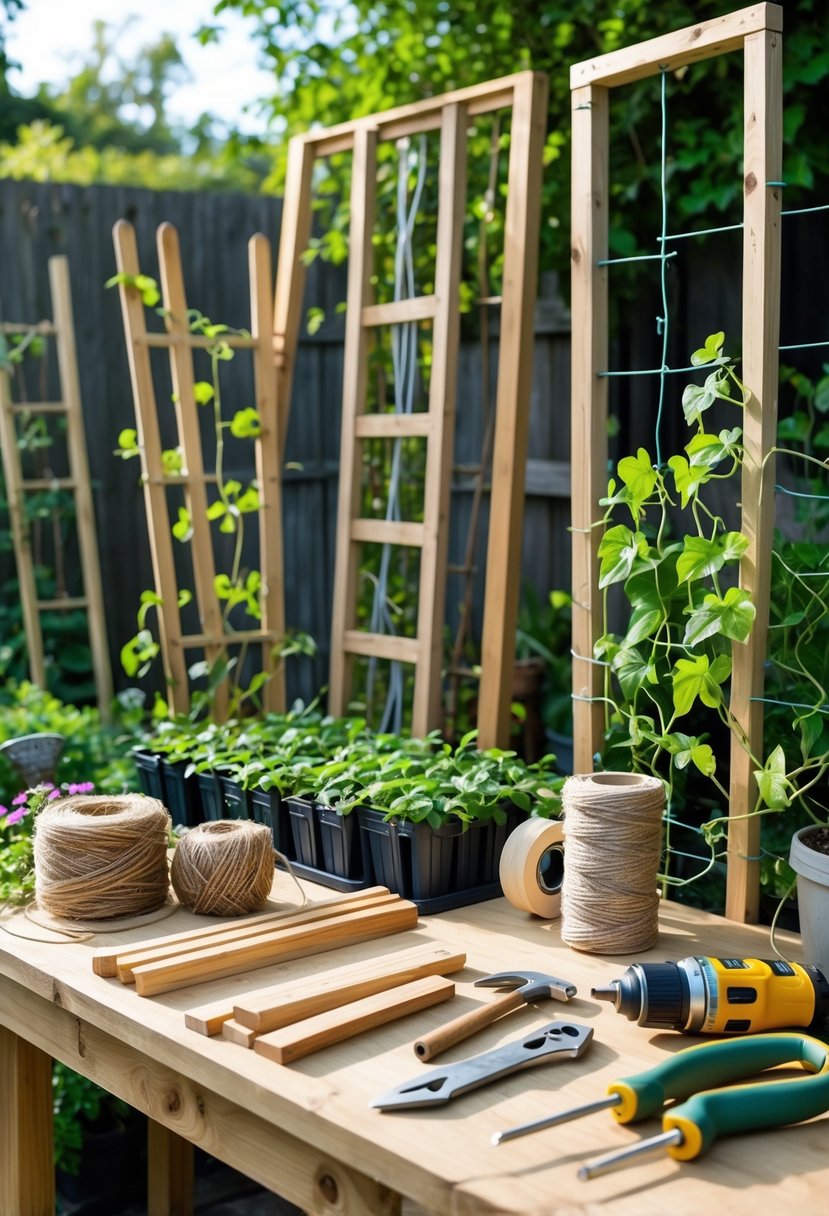
Building a garden trellis requires a few basic tools and carefully chosen materials. These are important to ensure the structure is strong, fits the garden’s needs, and lasts through the growing season.
Basic Tools for Building a Trellis
The essential tools for a DIY trellis include a hammer, saw, and drill. A hammer is used to drive nails or fasteners. A saw, either hand or power, helps cut wood or other materials to size. A drill makes pilot holes to prevent wood from splitting and to fix screws.
A level is helpful to keep the trellis straight and upright. Twine can assist in measuring or temporarily holding pieces together. Safety gear like gloves and eye protection is recommended for any cutting or nailing tasks.
These tools cover most trellis styles and materials, whether working with wood, metal, or PVC.
Selecting the Right Trellis Materials
Materials depend on the type of plants and style desired. Wooden trellises made from pine or cedar offer a natural look and are easy to customize. Cedar resists rot better but costs more. For quick, affordable options, bamboo stakes or simple wooden strips work well.
Metal trellises such as those made from galvanized steel or wire mesh provide durability and resist weather damage. Wire trellises work for heavy vines and dense foliage. PVC pipes offer a flexible, lightweight frame and can be shaped easily but might need extra support.
The choice of materials affects strength, maintenance, and appearance, so selecting the right one ensures the trellis meets garden needs.
Designing Your DIY Garden Trellis
A well-designed trellis is both functional and attractive. It needs to support climbing plants while fitting the garden’s style and space. Good planning helps ensure the trellis works for the plants it will hold and suits the garden’s look.
Choosing the Best Trellis Design
Selecting a trellis design depends on space, plant type, and style preferences. Common designs include wall-mounted, freestanding, and arch-shaped trellises. Wall trellises save space and suit small gardens or balconies. Freestanding trellises can be moved and work well in larger areas. Arch trellises add an elegant touch along pathways or entrances.
Materials affect design choices too. Wood is popular for its natural look but may need regular upkeep. Metal trellises last longer and offer modern styles. Simple DIY trellis ideas often use basic materials like saplings or twine for cost efficiency.
Matching Trellis Types to Climbing Plants
Different plants need different support. Heavy, woody vines like grapes or climbing roses require sturdy, strong trellises. Lightweight plants, such as sweet peas or morning glories, do well on delicate lattice or netting.
Climbing vegetables, such as peas and beans, grow best on tall, narrow trellises that allow vertical space. Squash and cucumbers also climb but need wider and stronger supports to hold their heavier fruit.
Choosing the right trellis helps plants grow healthily and makes harvesting easier. It also prevents damage to the plant and the structure.
Project 1: Classic A-Frame Trellis
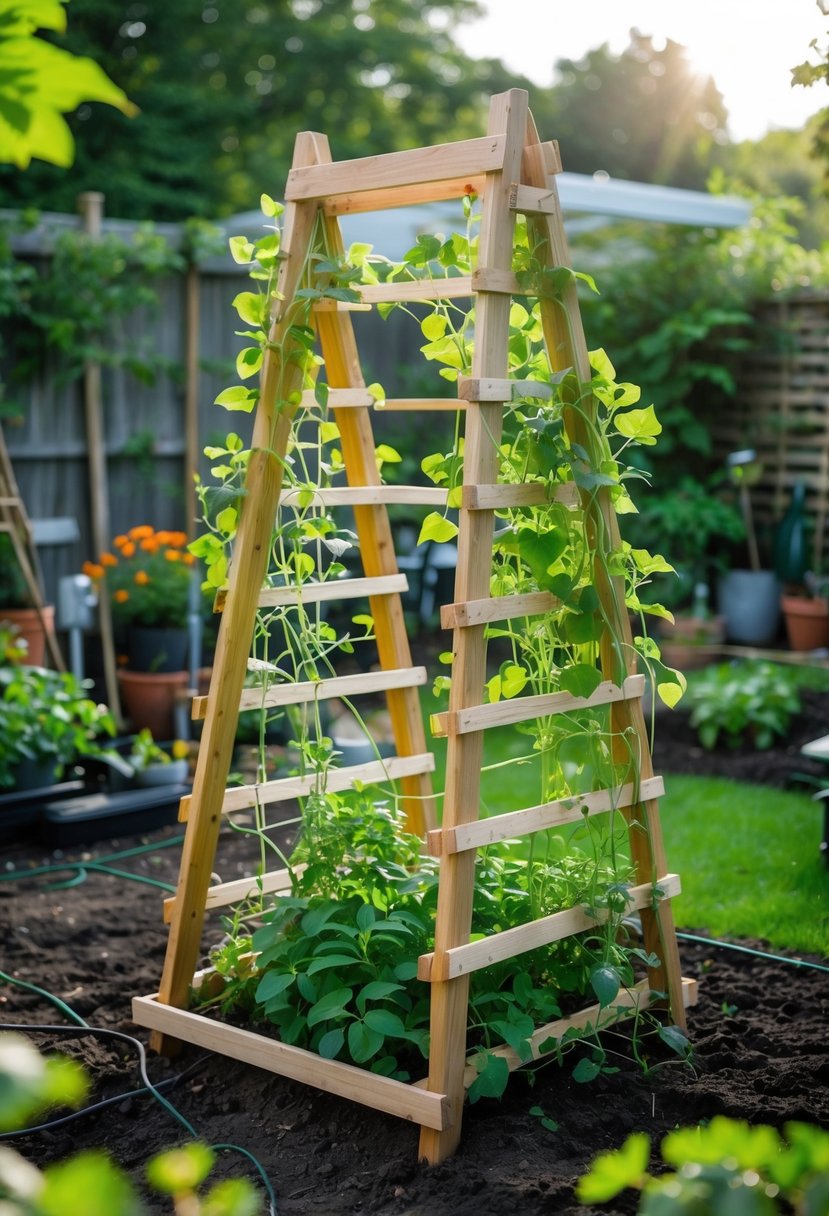
The A-frame trellis is a simple and practical design that supports climbing plants by growing upwards. It uses a wooden frame and wire to create two angled panels forming a sturdy structure. This trellis saves garden space and helps plants get sunlight and air from all sides.
Step-by-Step Building Instructions
Start by measuring the space where the trellis will go and decide the height and width needed. Cut four wooden legs to the desired length, usually around 5 to 6 feet tall.
Next, connect two legs on each side at the top to form two “A” shapes. Attach a wooden beam across the top to join the two A-frames. Add a horizontal crossbar between the legs on each side for stability.
Cover the sides with baling wire or trellis netting and secure it with staples. Use basic tools like a saw, drill, screws, and a staple gun. This simple DIY project should cost under $20 in materials.
Best Plants for an A-Frame Structure
The A-frame trellis works well with climbing vegetables and flowers. Beans and peas are ideal since they naturally climb and grip the wires.
Other good options include cucumbers and some types of squash. Vining flowers like morning glories can also grow well on this structure.
Plants should be spaced properly at the base, allowing room for growth. As the plants grow, their vines can be woven or will climb on their own. The open design lets you easily care for and harvest the crops.
Project 2: Bamboo and Twine Teepee Trellis
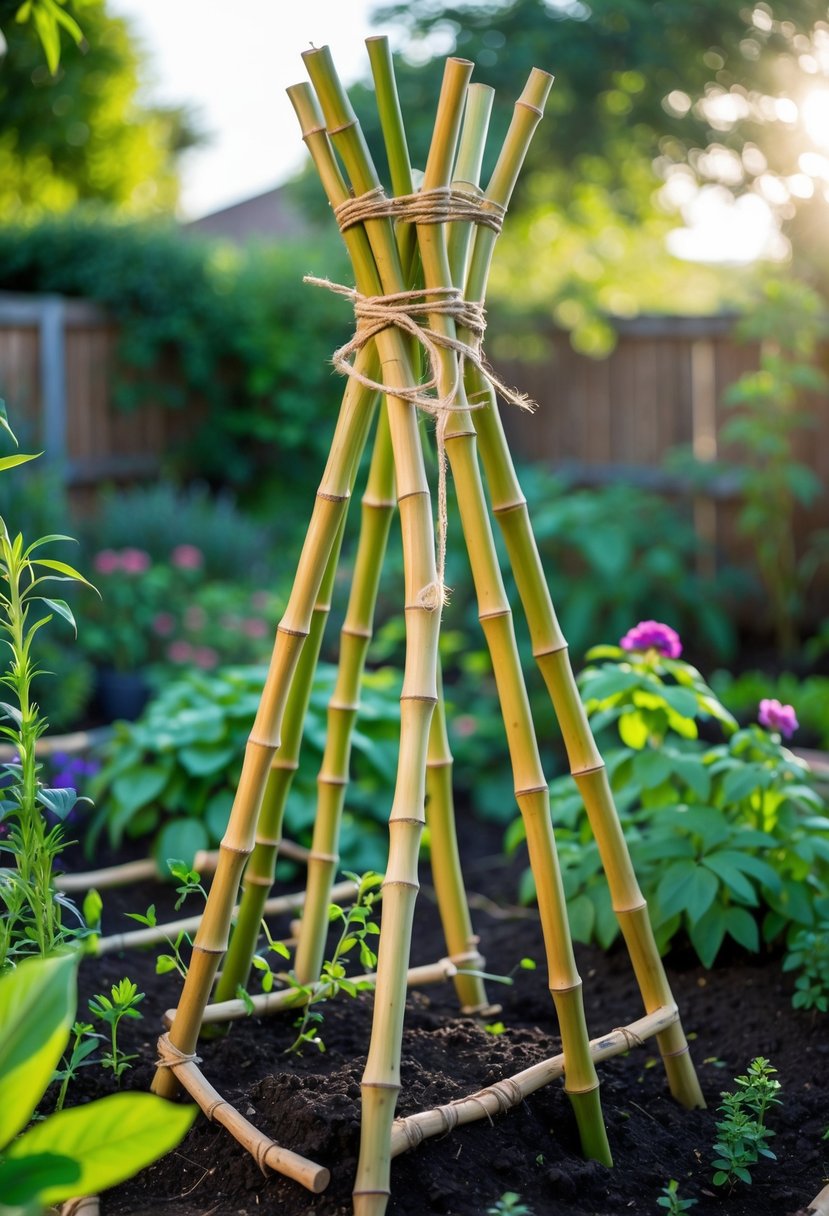
This project uses bamboo stakes and twine to build a simple yet strong teepee trellis. It provides a sturdy frame that supports climbing vegetables, especially peas and beans, saving garden space while boosting plant health and productivity. The design relies on minimal materials and quick assembly.
Constructing a Simple Teepee Trellis
The trellis starts with selecting 5-7 sturdy bamboo stakes, each about 6 to 8 feet tall. These stakes form the vertical supports. First, arrange three bamboo poles in a triangle shape and tie their tops tightly together using strong garden twine.
Then, place the remaining poles evenly around the base, leaning them inward and securing their tops with twine to form a stable teepee shape. The poles should be pushed firmly into the soil to anchor the structure.
Additional twine can be wrapped vertically or horizontally around the frame to help climbing plants grip as they grow. No special tools are necessary beyond twine, bamboo, and something to tie knots securely.
Recommended Uses and Plant Pairings
Bamboo teepee trellises work best for supporting vining vegetables and flowers. They are ideal for peas and beans, which climb naturally and use the poles to grow upward.
This structure maximizes vertical space, making it useful in small gardens or raised beds. It also improves air circulation around plants, reducing the risk of disease.
The design allows plants to be spaced around the base. This means multiple vines can grow simultaneously, each with enough room to reach sunlight and spread along the trellis.
Project 3: Repurposed Ladder and Window Frame Trellises
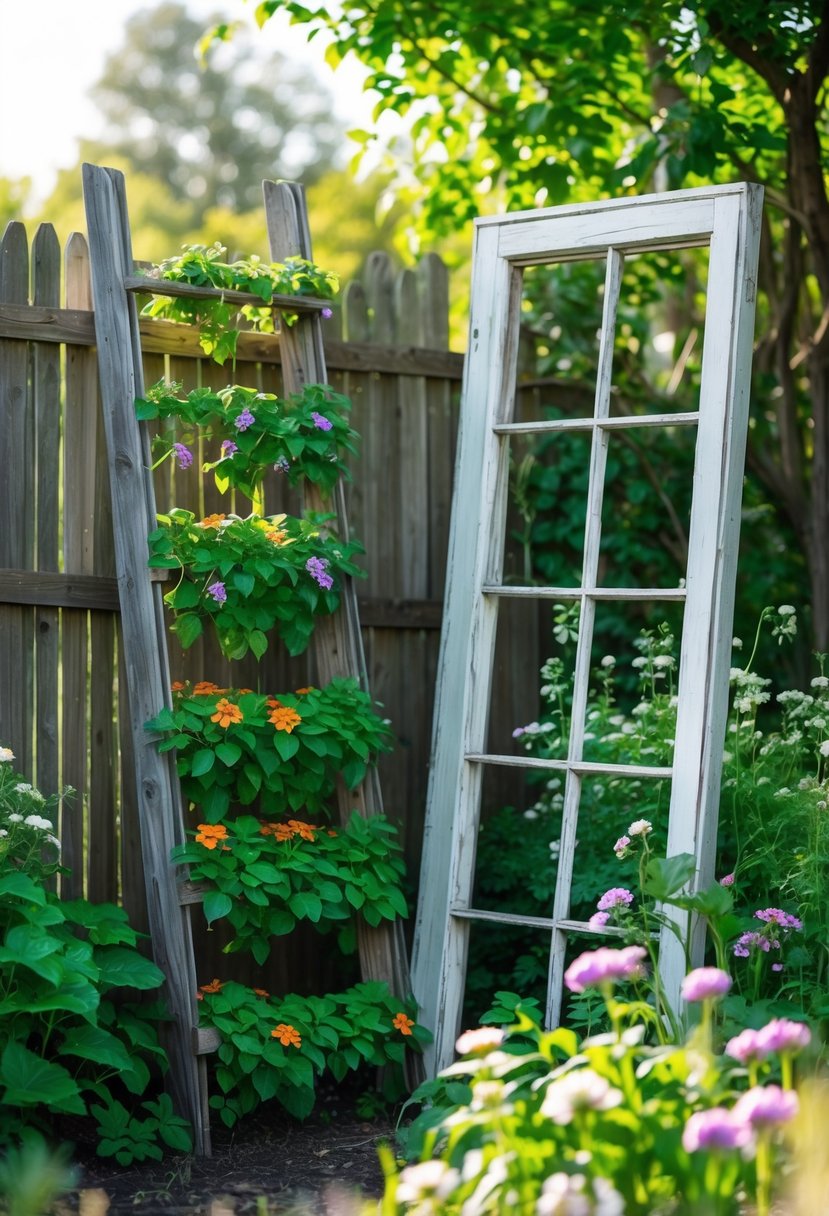
This project uses old ladders and window frames to build sturdy, rustic trellises. Both materials offer a unique look and functional support for climbing plants. They can fit well in small gardens or larger spaces and work with many types of vines or veggies.
Converting a Ladder into a Dynamic Support
An old wooden ladder can be transformed into a strong DIY trellis with a few simple steps. First, cut the ladder into pieces if needed to fit the garden space. Two long side pieces and one crossbar at the top create a solid frame.
Use L brackets and angle braces to secure the parts together. Staple or attach wire mesh or fencing to the ladder rungs to give plants something to grip. This setup is ideal for pole beans, cucumbers, or peas.
Metal stakes can be driven into the ground beside the ladder to stabilize it. Then, zip ties or wire fasteners hold the ladder to the stakes tightly. This method makes a reliable and rustic trellis that supports heavy vines without falling over.
Building a Window Frame Trellis
Old wooden window frames make excellent trellises with their grid-style design. Simply remove the glass and backing, leaving the wooden frame intact. The many small panes provide natural climbing points for vines.
These window frame trellises can be leaned against a fence or wall or attached vertically for extra stability. The open grid allows plants to grow through naturally, creating an attractive pattern as they fill in.
They work well with flowering vines like morning glories or clematis and are also perfect for sweet peas or tomatoes. The aged wood adds a decorative rustic charm to the garden while serving as functional support.
Project 4: Metal, Wire, and Galvanized Steel Trellis Structures
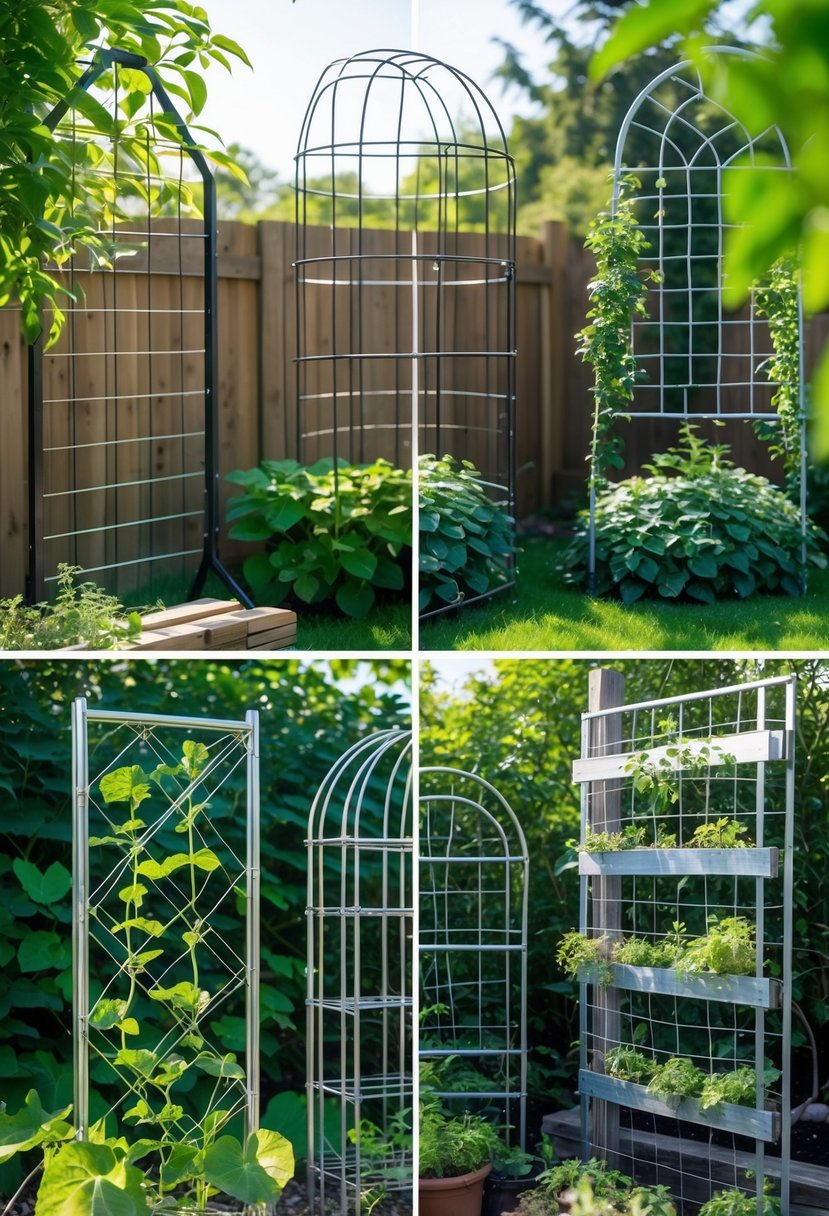
Metal and wire trellises made from galvanized steel offer strong support for climbing plants. These materials provide durability and stability, making them ideal for heavy vines like grapevines and climbing roses. Proper construction and maintenance ensure they last outdoors and suit various garden spaces.
Creating a Wire Mesh or Galvanized Steel Trellis
To build a metal wire or galvanized steel trellis, start with a sturdy frame. Use galvanized steel wire mesh or grids for the main support, as these resist rust and weather damage. Cut the wire to size with metal wire cutters, ensuring clean edges.
Attach the wire mesh to metal or wooden posts with durable brackets or clips. The frame should be taut to prevent sagging as plants climb. Using pliers helps bend and shape the wire to create lattice patterns that support vines evenly.
Spacing between wires depends on the plant type. For grapevines and climbing roses, wider gaps allow thicker stems to grow, while smaller plants need tighter spacing. Anchoring the structure firmly in the ground adds stability.
Tips for Durability and Plant Compatibility
Choosing galvanized steel is key for rust resistance in outdoor trellises. Applying a protective coating or paint can extend its life further, especially in humid or rainy regions.
Proper wire gauge selection is important. Thicker wires (lower gauge) provide strong support for heavy plants like grapevines. Thinner wires work for lighter vines but may bend under weight.
Maintenance includes checking for loose wires and tightening them as needed. Pruning plants regularly prevents excess weight from damaging the structure.
Using metal or wooden stakes to secure the trellis helps keep it vertical and stable in high winds. This setup supports healthy plant growth and ensures the trellis lasts through several seasons.
Project 5: Decorative and Arched Trellis Designs
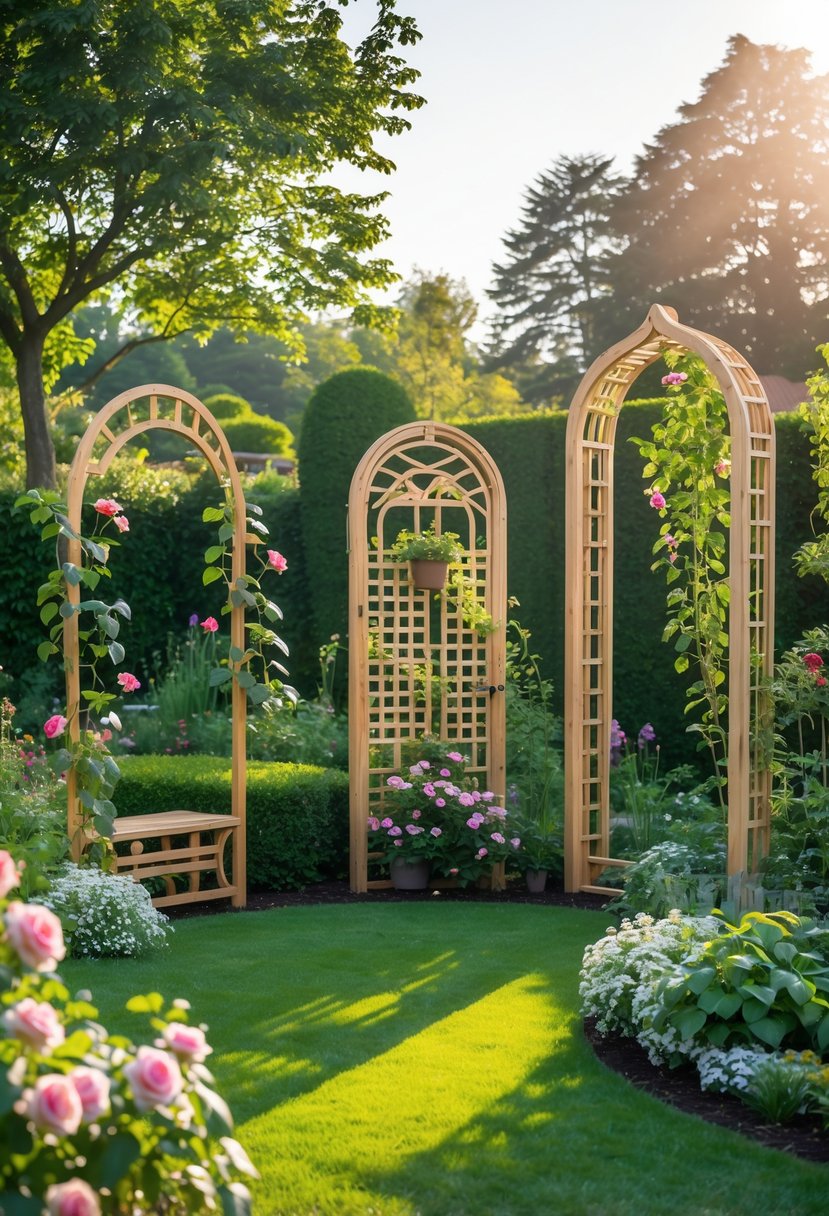
Decorative trellises add both function and charm to the garden. Shaping trellises into arches or fans provides strong support for climbing plants and creates focal points in outdoor spaces. These designs can be simple or more intricate, depending on materials and skill level.
Crafting a DIY Arched or Fan Trellis
To build an arched trellis, start with sturdy materials like wood or metal. The arch shape is formed by bending flexible wood strips or using curved metal rods. Secure the ends firmly in the ground or a base for stability.
A fan trellis has a spread-out, radiating design that supports plants like clematis or climbing roses in a broad pattern. This style is usually built flat against a wall or fence, making it great for limited space.
Both designs require attaching horizontal or diagonal supports for vines to grip. Using weather-resistant wood, galvanized metal, or treated wire helps the structure last longer. The trellis should be sized to handle mature plant growth.
Using Trellises for Visual Interest
Arched and fan trellises break up garden views and add layers to the landscape. Placing an arched trellis over a path creates a natural doorway and guides visitors into different garden zones.
Climbing plants like roses or clematis soften the structure and add seasonal color and texture. The shapes cast interesting shadows and invite the eye upward, increasing the sense of space in small gardens.
Decorative trellises can also frame key features like seating areas or entrances. Choosing a style and finish that matches the garden’s theme enhances cohesion. Even painted or stained trellises add personality while supporting healthy plant growth.
Caring for Trellised Climbing Plants
Proper care helps climbing plants grow strong and healthy on a trellis. It involves training plants to climb well and maintaining their health through regular checks and care. Knowing the best ways to support and look after plants like clematis, beans, or climbing roses ensures they thrive.
Plant Training and Support Techniques
Climbing plants need guidance to grow on a trellis. For plants like beans or clematis, gently tie young stems to the trellis using soft garden ties or twine. Avoid tight knots to prevent damage to the stems.
As the plants grow, regularly adjust ties and guide new shoots toward the trellis structure. For climbing roses, carefully weave their canes through lattice gaps, supporting heavy branches with extra ties if needed.
Training should start early, ideally when plants are small and flexible. This helps avoid stress and breakage later. Removing side shoots that do not climb can also help focus the plant’s energy on upward growth.
Maintenance for Healthy Growth
Regular maintenance is key to keeping trellised plants healthy. Check plants often for pests such as aphids or spider mites, especially on clematis and climbing roses.
Prune climbing roses and clematis after flowering to remove dead or weak growth. This encourages fresh shoots and better flowering next season.
Water climbing plants deeply but less often to encourage strong roots. Mulching around the base helps retain moisture and controls weeds.
Inspect the trellis itself for stability. Secure loose parts or replace damaged sections to keep support strong as plants grow heavier.
Personalizing and Enhancing Your Garden Trellis
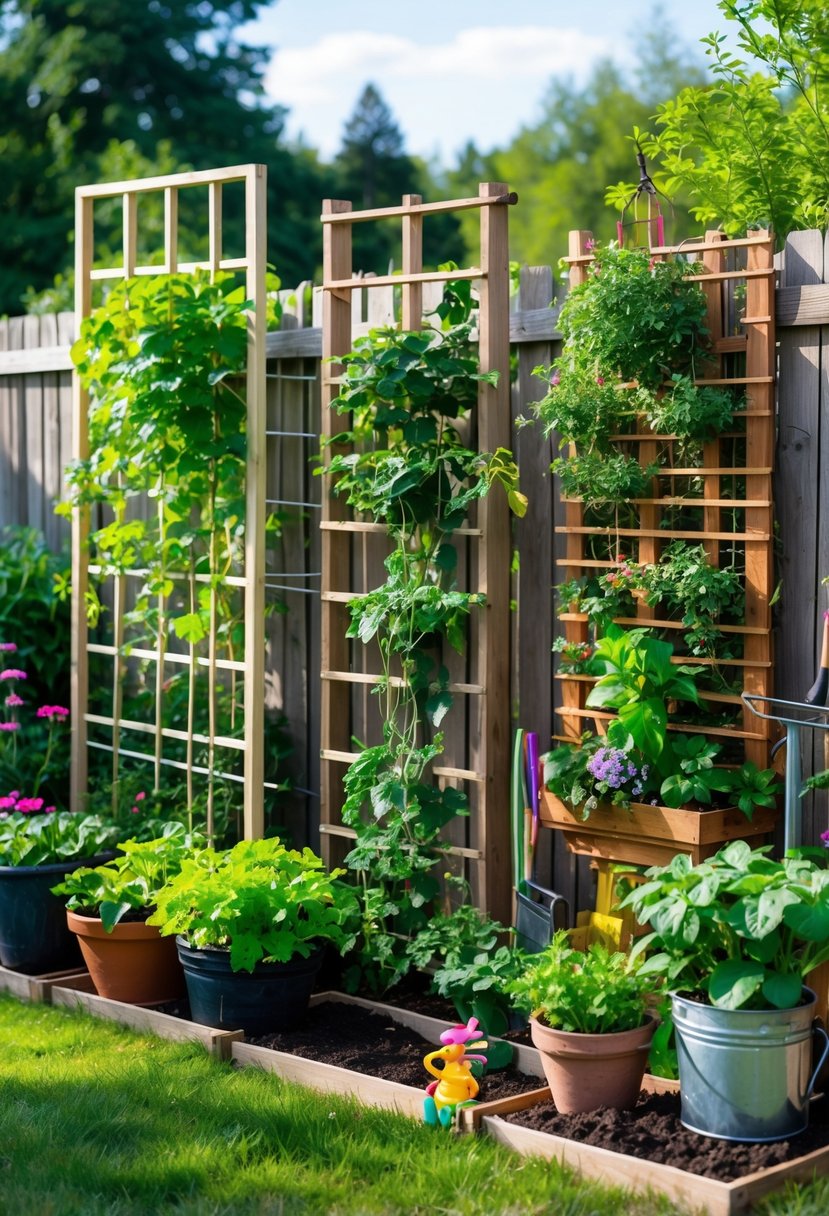
Garden trellises can be both functional and decorative. Adding personal touches or fitting them to the garden style can improve their usefulness and visual appeal. Careful choices in materials, design, and placement help create practical and attractive structures.
Creative and Rustic Ideas
A rustic trellis often uses natural or weathered materials like bamboo, branches, or treated wood. These materials give the trellis a natural, earthy look that blends well with outdoor spaces.
Some creative DIY trellis ideas include:
- Using old ladders or repurposed wood to create unique shapes
- Combining wire mesh with wood frames to support climbing vegetables
- Painting or staining wood to add color and protect it from weather
These approaches offer durability and charm while supporting plants effectively. Rustic trellises work well for flowering vines like jasmine or honeysuckle, giving the garden a handcrafted and organic feel.
Incorporating Trellis Projects in Any Garden
Garden trellises fit into various garden styles and sizes. In small spaces, vertical trellises help maximize growing area without crowding. Wall-mounted trellises add greenery to patios or balconies, making use of unused vertical space.
Raised beds with attached trellises are excellent for vegetables like tomatoes or peas; they keep plants tidy and easy to harvest. Metal trellises can support potted plants and stand up well to weather, ideal for balconies or urban gardens.
By choosing the right style and placement, garden trellises provide plant support and add structure, privacy, and visual interest to any outdoor space.
Conclusion
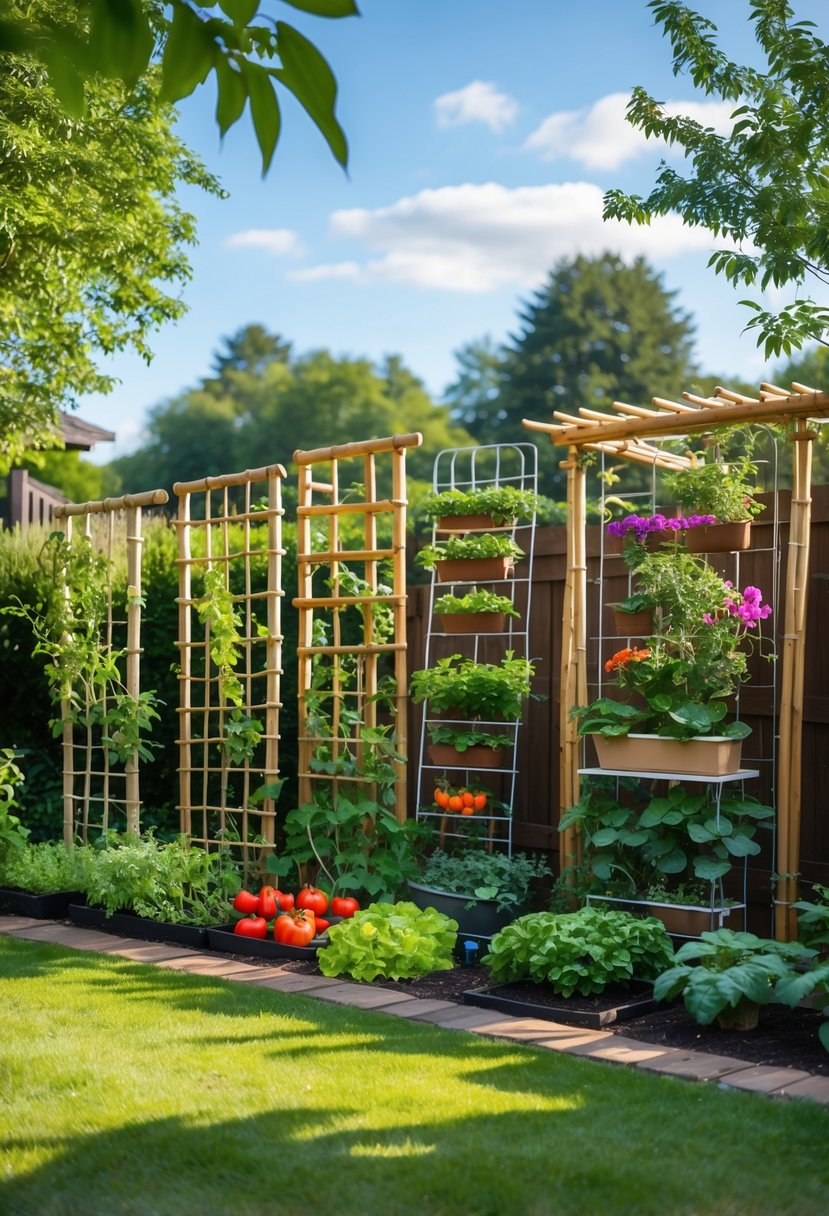
DIY garden trellis projects are simple ways to add structure and beauty to any garden. They support climbing plants and can turn unused space into a vibrant display.
Using common materials like wood, bamboo, or recycled items makes these projects affordable and easy to start. Anyone can pick a style that suits their skill level and garden size.
Trying these DIY trellises encourages creativity and practical skills. Each project offers a chance to customize the garden’s look while providing needed plant support.
Here are key benefits to remember:
- Affordable: Many projects use recycled or low-cost materials.
- Customizable: Shapes and sizes can match different garden needs.
- Functional: Trellises promote healthy plant growth by improving air and light access.
With a few tools and basic instructions, anyone can build an effective and attractive garden trellis. It is a small effort that can make a noticeable difference in garden design and maintenance.