
Secret to a Perfect Open Kitchen Designs? These 15 Game-Changing Ideas
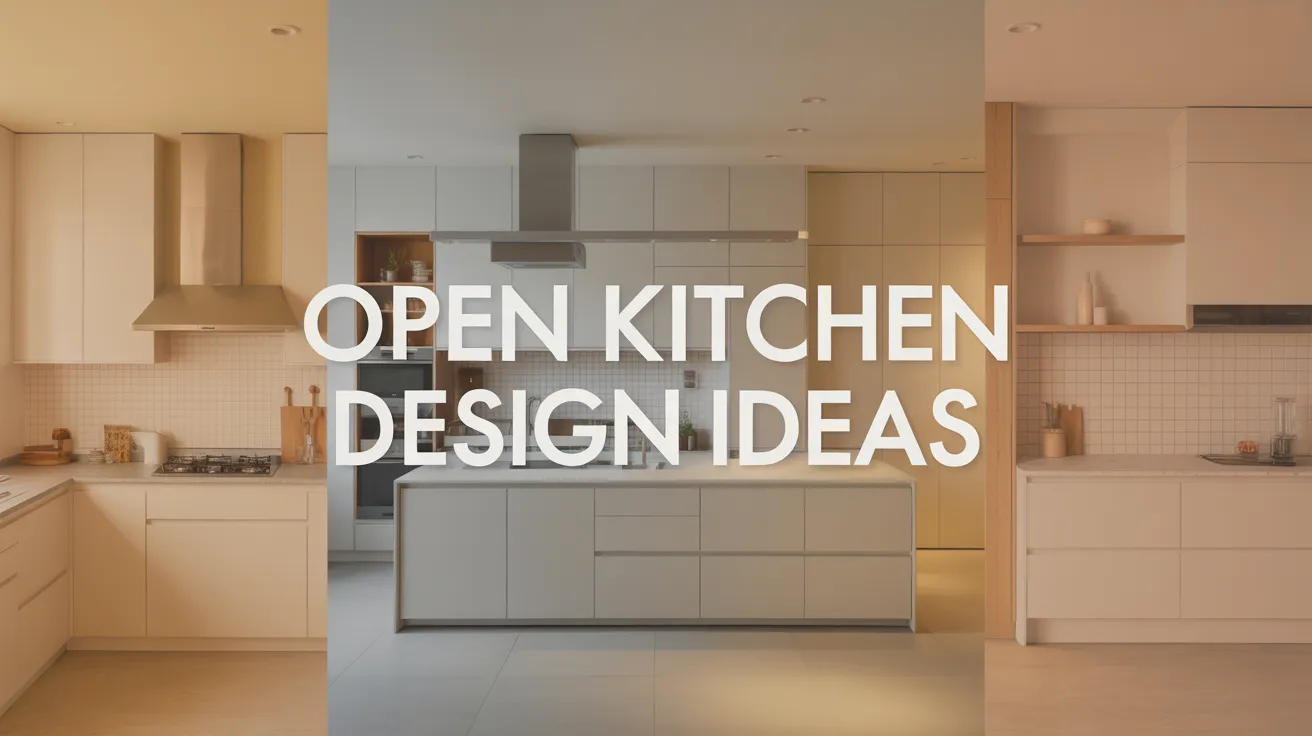
So, you’re thinking about an open kitchen. Welcome to the club. Tearing down walls is practically a rite of passage for homeowners these days, and for good reason. Open kitchens transform cramped, isolated cooking spaces into the vibrant heart of the home. They’re all about connection, flow, and making your space feel about a million times bigger.
I’ve spent more time than I’d like to admit scrolling through kitchen designs, dreaming up layouts, and helping friends map out their own renovations. An open kitchen isn’t just a design choice; it’s a lifestyle upgrade. It says you’re ready for a home that’s social, functional, and unapologetically you. But where do you even start? Don’t worry, I’ve got you. We’re going to walk through 15 killer ideas to make your open kitchen the envy of the neighborhood.
1. The Mighty Kitchen Island
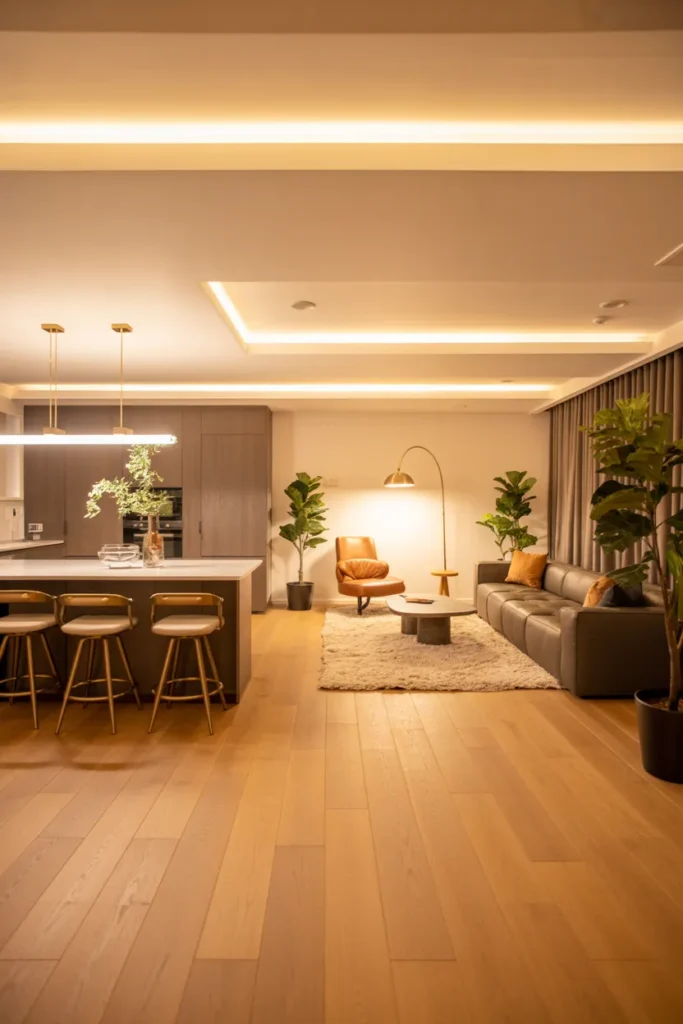
Let’s get the most obvious one out of the way first. The kitchen island is the undisputed MVP of open concept living. It’s not just a block of countertop; it’s a command center. It’s where homework gets done, wine gets poured, and late-night conversations happen.
A Multi-Functional Masterpiece
Think of your island as more than just a prep surface. It can be your:
- Dining Table: Add an overhang and some stylish bar stools, and you’ve got a casual dining spot. This is perfect for breakfast or for guests to hang out while you cook.
- Storage Powerhouse: Islands can be packed with drawers, cabinets, and even open shelving. This is a lifesaver for hiding away all the kitchen clutter you don’t want on display.
- Appliance Hub: You can integrate a wine fridge, a microwave drawer, or even a second sink or cooktop into your island. It makes the workflow incredibly efficient.
The key is to plan the island’s function from the start. Do you need it more for seating or for storage? Answering that question will dictate its size, shape, and features. Honestly, a well-designed island can completely change how you use your kitchen.
2. The Peninsula: An Island’s Cousin
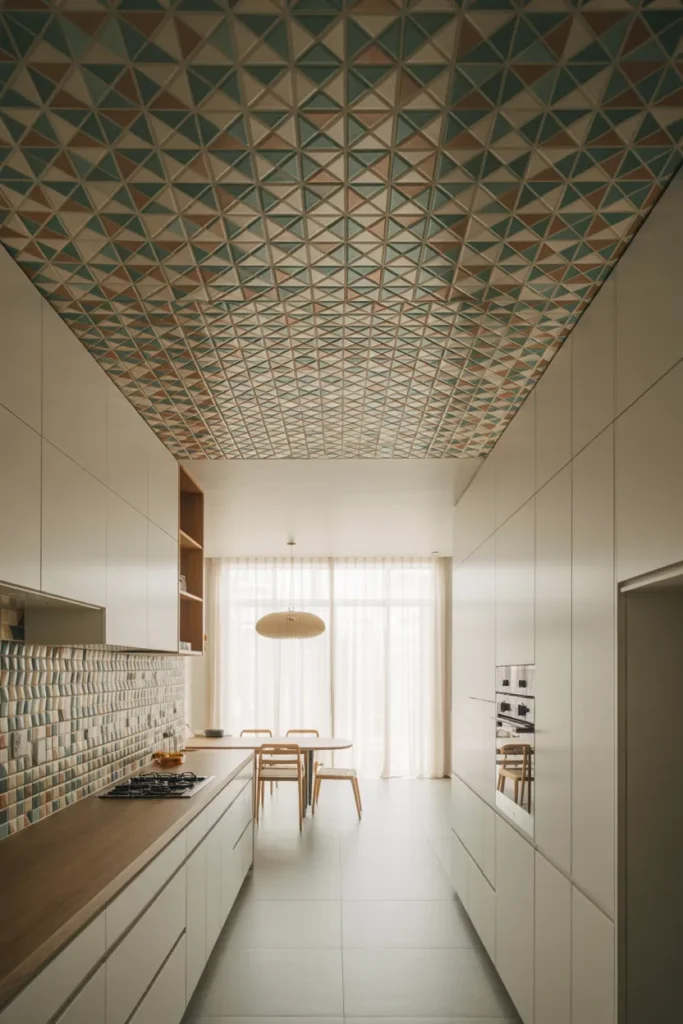
Not every space can accommodate a full-blown island with walkways on all sides. Enter the peninsula. It’s an island connected to a wall on one end, and it’s a fantastic solution for smaller or L-shaped kitchens. It offers many of the same benefits without demanding as much square footage.
A peninsula effectively creates a soft boundary between the kitchen and the living area without closing it off. You still get the bar seating, the extra counter space, and the social hub feel. I’ve seen some amazing designs where the peninsula acts as a beautiful room divider, defining the kitchen zone while keeping everything light and airy. It’s a smart, space-savvy move.
3. Go Big with a Statement Backsplash
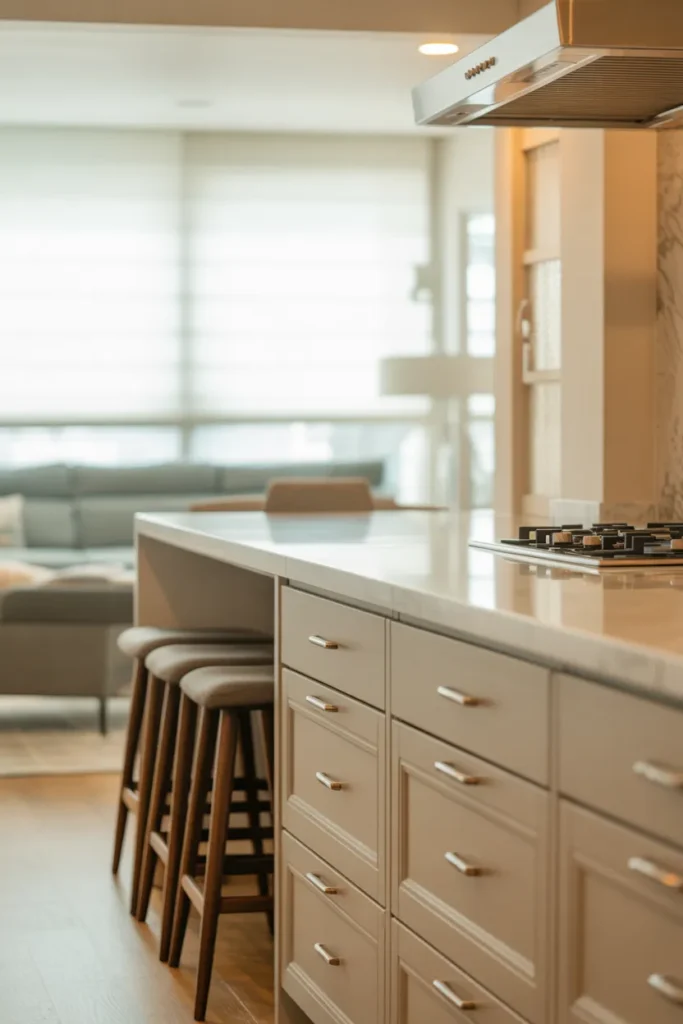
In an open kitchen, your backsplash isn’t just a functional element to protect your walls from spaghetti sauce splatters. It’s a massive design opportunity. Since the kitchen is visible from other rooms, the backsplash becomes a feature wall.
Make It a Focal Point
This is your chance to inject some serious personality. Think about:
- Bold Geometric Tiles: Patterns can add energy and movement.
- A Slab of Marble or Quartz: Extending your countertop material up the wall creates a seamless, luxurious look. It’s a splurge, but the visual impact is undeniable.
- Vibrant Colors: A pop of a single, bold color can tie the kitchen’s palette to the decor in the adjoining living or dining area.
Don’t be afraid to go all the way up to the ceiling. A full-height backsplash makes the space feel taller and much more dramatic. It’s a power move.
4. Unify with Consistent Flooring
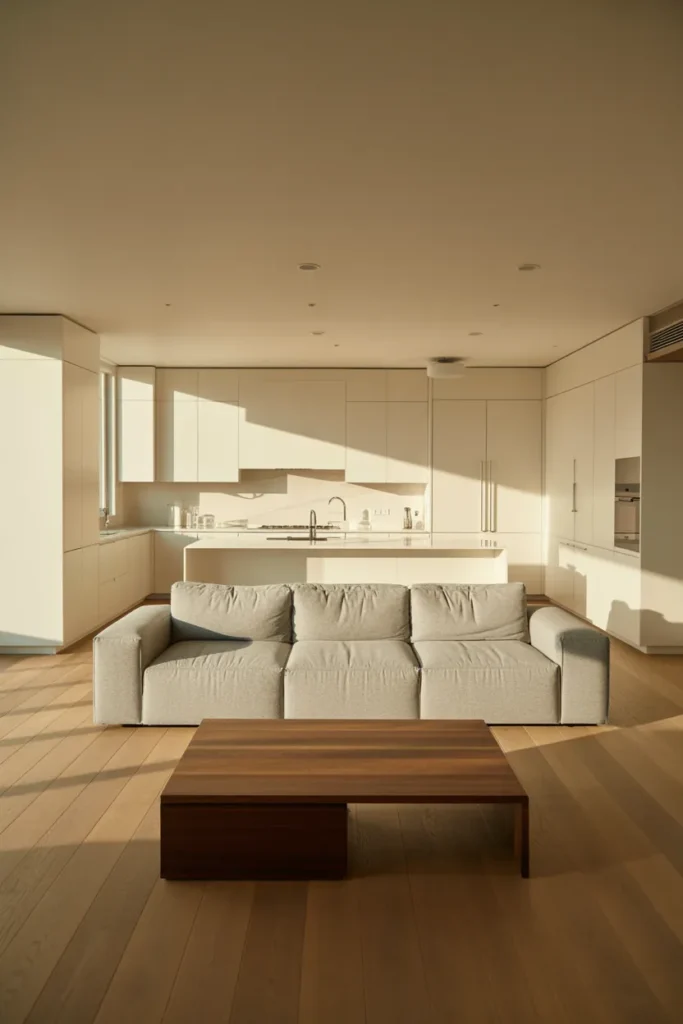
One of the best ways to make an open-concept space feel cohesive is to use the same flooring throughout the kitchen, dining, and living areas. When your eyes see an uninterrupted plane, the entire area reads as one large, harmonious space. Different flooring materials can visually chop up the room, which is exactly what you’re trying to avoid.
Hardwood, luxury vinyl plank (LVP), or large-format tiles are excellent choices that work well in both kitchens and living spaces. I’m a huge fan of LVP right now. It’s durable, waterproof (a must for kitchens), and the wood-look options are incredibly realistic. Seamless flooring is the secret weapon for a truly expansive feel.
5. Define Zones with Rugs
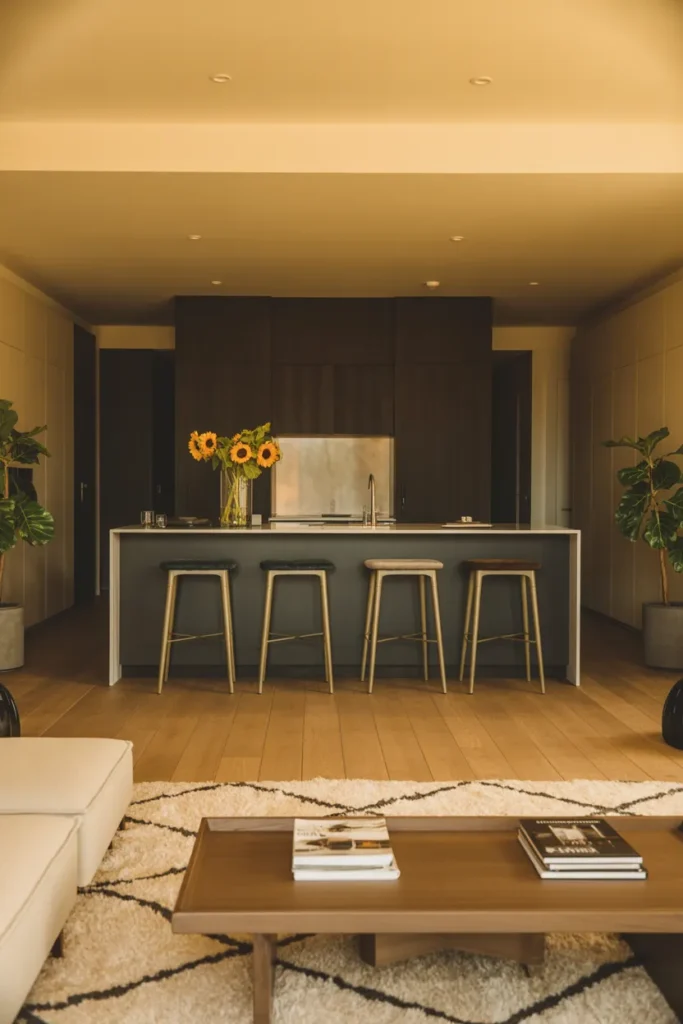
Okay, so I just told you to use consistent flooring. Now I’m telling you to put rugs on it. Stay with me. While unified flooring creates a cohesive base, area rugs are your tools for defining functional zones within that open space.
Place a large rug under your living room seating arrangement and another under your dining table. This visually anchors each area and signals its purpose without putting up any walls. It’s a design trick that adds warmth, texture, and organization. Plus, it’s a great way to add color and pattern. It’s like creating “rooms” without walls. Smart, right?
6. The Magic of a Cohesive Color Palette
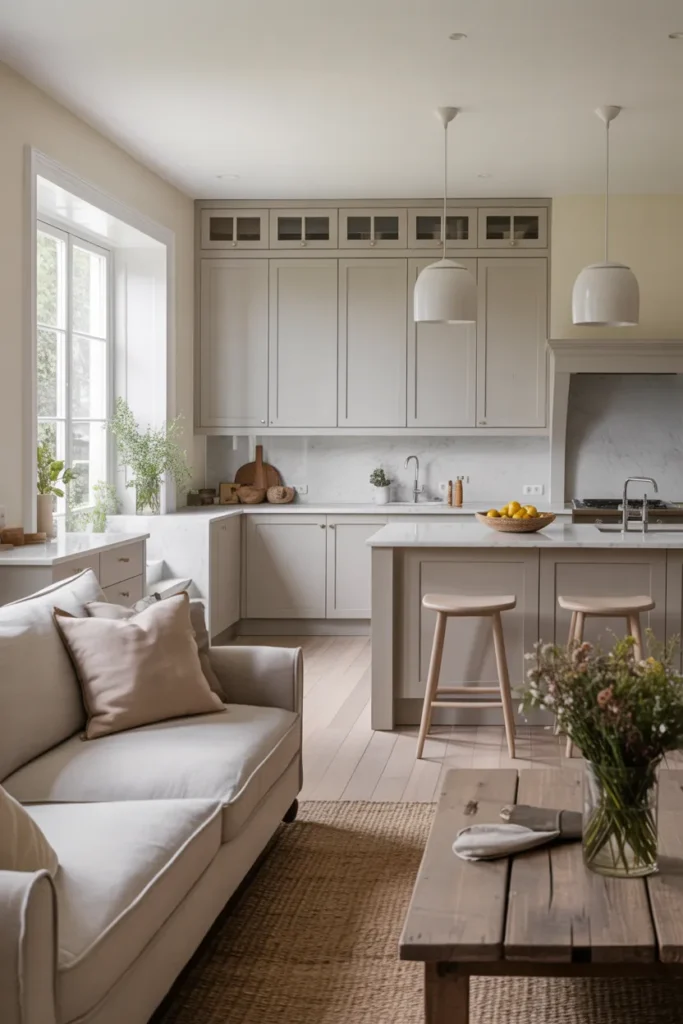
Your open kitchen doesn’t exist in a vacuum. It shares a visual landscape with your living and dining areas. Tying these spaces together with a unified color palette is crucial for a polished, intentional look.
How to Build Your Palette
Start by choosing three to five colors and using them in varying amounts across the entire open area.
- Your Primary Color: This will be the dominant shade, likely a neutral on the walls.
- Your Secondary Color: This could be the color of your kitchen cabinets, a sofa, or a large piece of furniture.
- Your Accent Colors: Use these in smaller doses on things like pillows, backsplash tiles, bar stools, and decor.
This doesn’t mean everything has to be the same color. It just means the colors should complement each other and be distributed thoughtfully throughout the space. It’s what makes a design feel professional instead of accidental.
7. Let There Be (Statement) Light
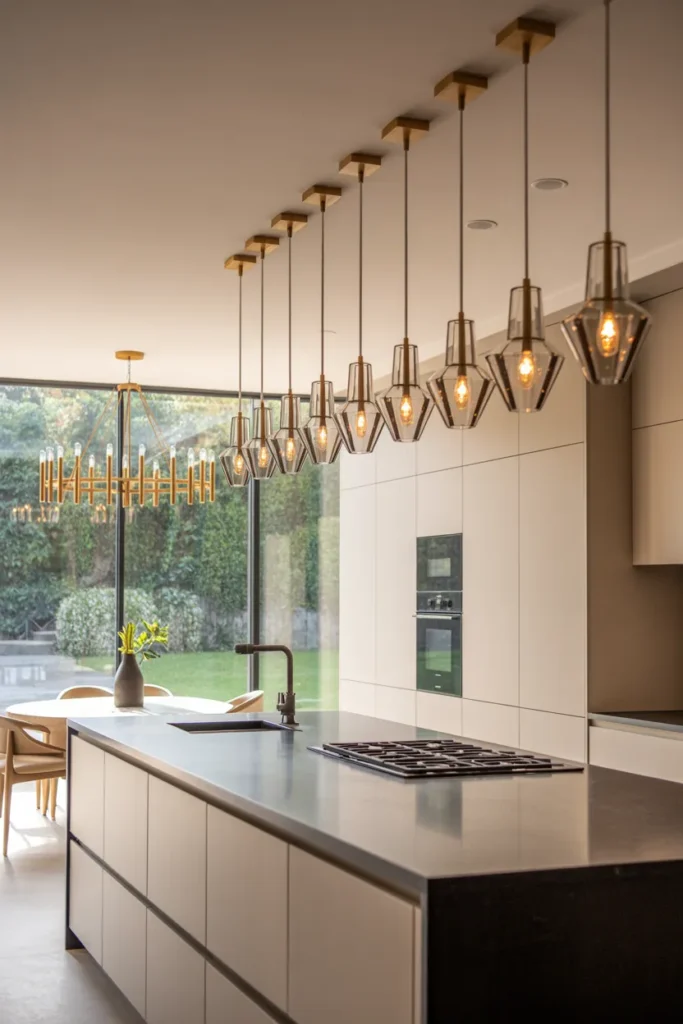
Lighting in an open kitchen is both a practical necessity and a design statement. You need bright, functional task lighting over your prep areas, but you also have an opportunity to use decorative fixtures to add style and define zones.
Think about a row of stunning pendant lights over your island or peninsula. This is one of the most popular and effective strategies in open kitchen design. The pendants draw the eye, illuminate the workspace, and act as a visual separator for the kitchen area. In the living area, a beautiful chandelier or a modern sculptural fixture can anchor the space. Matching the metal finishes (like brass or matte black) across all fixtures is a pro move for a cohesive look.
8. Hide the Clutter: The Power of Smart Storage
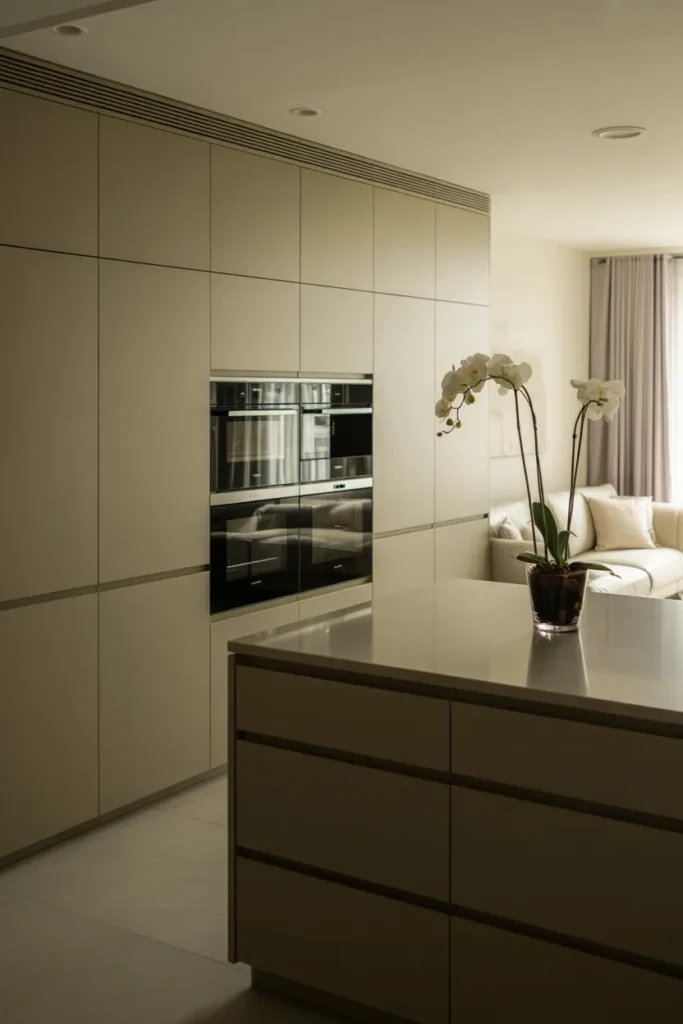
The biggest downside of an open kitchen? Everyone can see your mess. There’s nowhere to hide that pile of mail, the blender you use once a year, or the kids’ art projects. That’s why clever and abundant storage is non-negotiable.
Get Creative with Cabinetry
Consider these storage solutions:
- Floor-to-Ceiling Cabinets: A wall of tall pantry cabinets can hold an incredible amount of stuff, keeping your countertops blissfully clear.
- Appliance Garages: These are dedicated cabinets with outlets inside, designed to hide your toaster, coffee maker, and other small appliances.
- Deep Drawers: I will choose deep drawers over lower cabinets any day. They are so much more accessible for storing pots, pans, and dishes. No more getting on your hands and knees to find a lid!
The goal is to have a designated home for everything, making it easy to tidy up before guests arrive. Because they will, and they’ll be standing right in your kitchen.
9. The Minimalist Approach: No Upper Cabinets
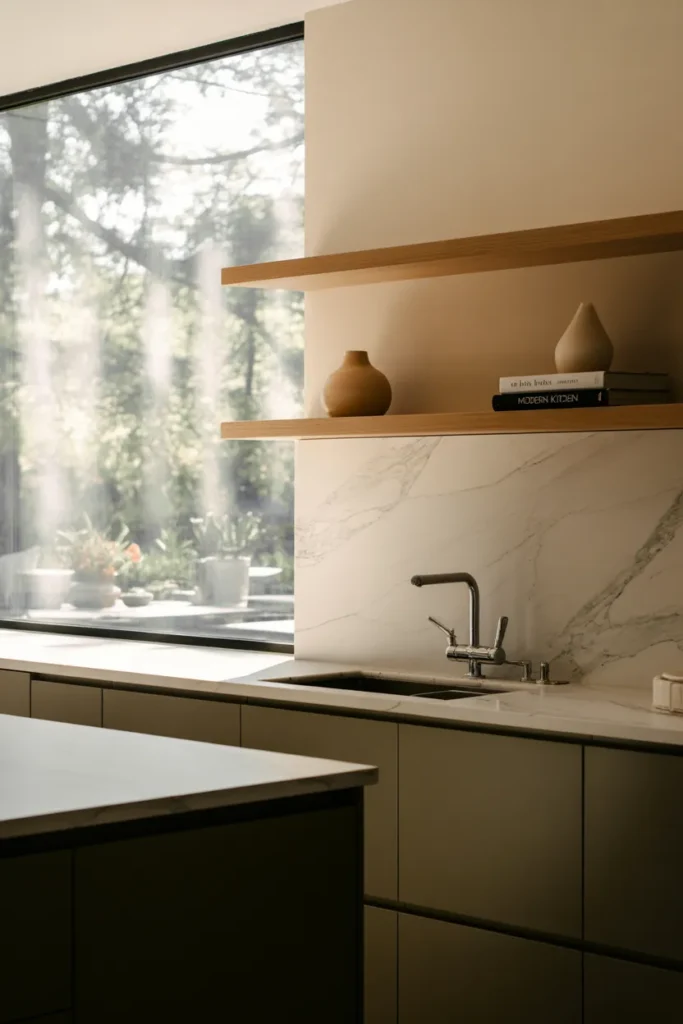
Ready for a bold idea? Ditch the upper cabinets. This trend has been gaining serious momentum, and it can make an open kitchen feel incredibly spacious and airy. Removing that visual bulk at eye level opens up the entire wall.
Instead of uppers, you can use:
- Floating Shelves: Perfect for displaying your prettiest dishes, plants, or art. They keep things light and open.
- A Feature Wall: This is a great opportunity to showcase that statement backsplash we talked about, or even a unique wall texture.
- Windows: If you have the option, replacing upper cabinets with a larger window will flood your kitchen with natural light.
This look isn’t for everyone. If you’re a collector of kitchen gadgets, you might need the extra storage. But if you can make it work, the payoff in “wow” factor is huge. IMO, it’s one of the chicest looks out there.
10. Integrate Your Appliances
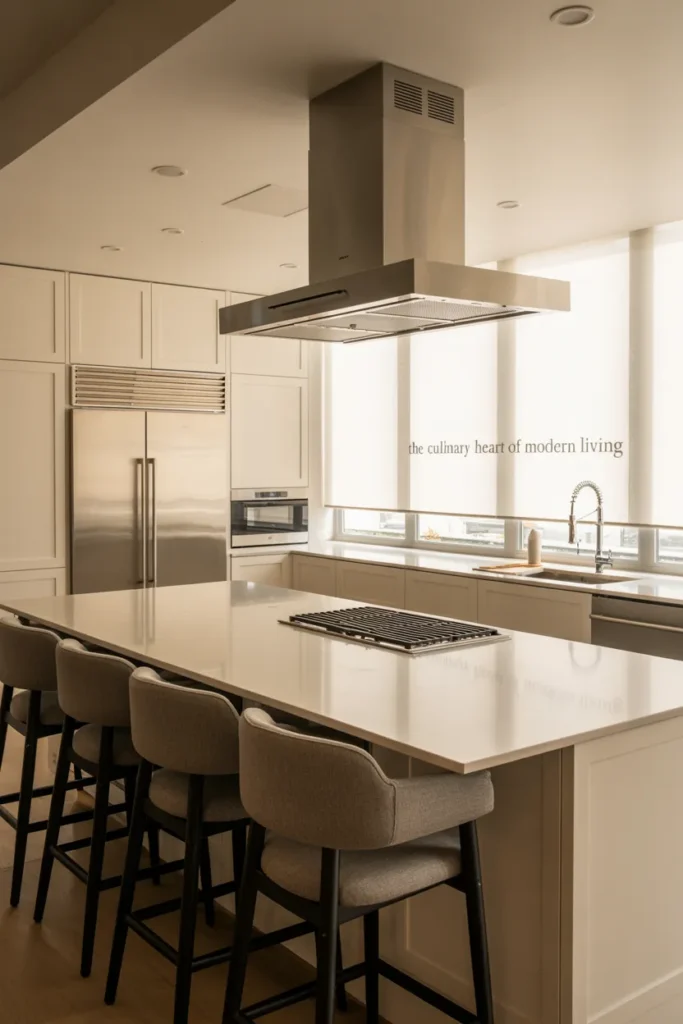
For a truly seamless and high-end look, consider panel-ready appliances. These are refrigerators, dishwashers, and other appliances that are designed to be fitted with a custom cabinet panel that matches the rest of your kitchen.
When your refrigerator and dishwasher disappear into your cabinetry, the kitchen looks less like a utilitarian workspace and more like a beautifully furnished room. It creates long, unbroken lines of cabinetry that are incredibly pleasing to the eye. Yes, it’s an investment, but it’s one of those details that elevates the entire design from “nice” to “absolutely stunning.”
11. Create a Beverage or Coffee Station
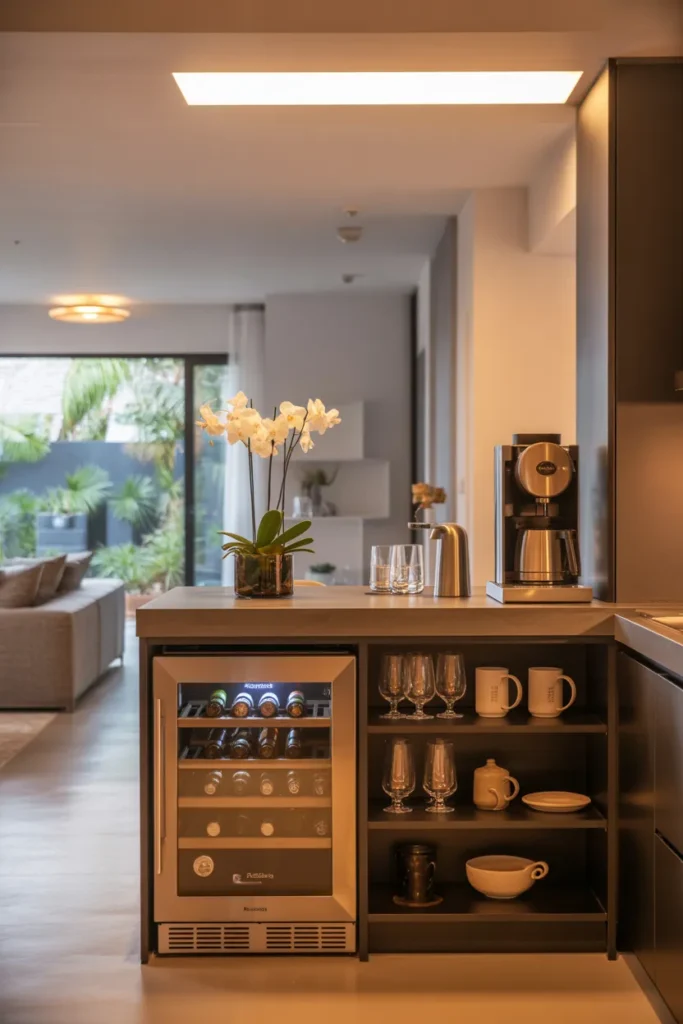
In an open floor plan, traffic flow is key. You don’t want guests constantly walking through your main cooking triangle just to grab a drink from the fridge. A dedicated beverage station is the perfect solution.
Set aside a small section of countertop, perhaps between the kitchen and living area, for this purpose. You can include:
- A coffee maker and all its accessories.
- A small beverage or wine fridge.
- Glassware stored in open shelves or a small cabinet above.
This creates a self-serve zone that keeps guests happy and out of your way while you’re trying to cook. It’s a small detail that makes a huge difference in how the space functions during social gatherings. So practical!
12. Use Two-Tone Cabinets
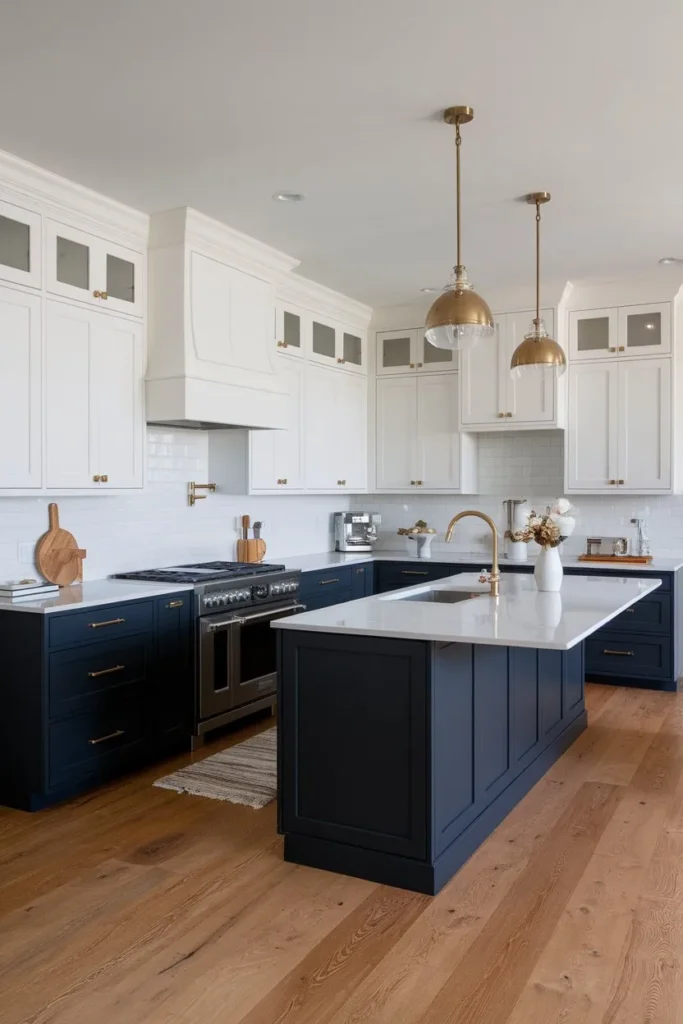
Using two different colors for your cabinets is a fantastic way to add depth and visual interest to your kitchen. A popular combination is using a darker color for the lower cabinets or the island and a lighter color for the upper cabinets.
This technique has a few benefits. Dark lower cabinets can ground the space, while light upper cabinets keep the room feeling airy and open. It also breaks up a large expanse of cabinetry, preventing it from looking monotonous. It’s a design-forward choice that shows you’ve put real thought into the details.
13. Incorporate Natural Elements
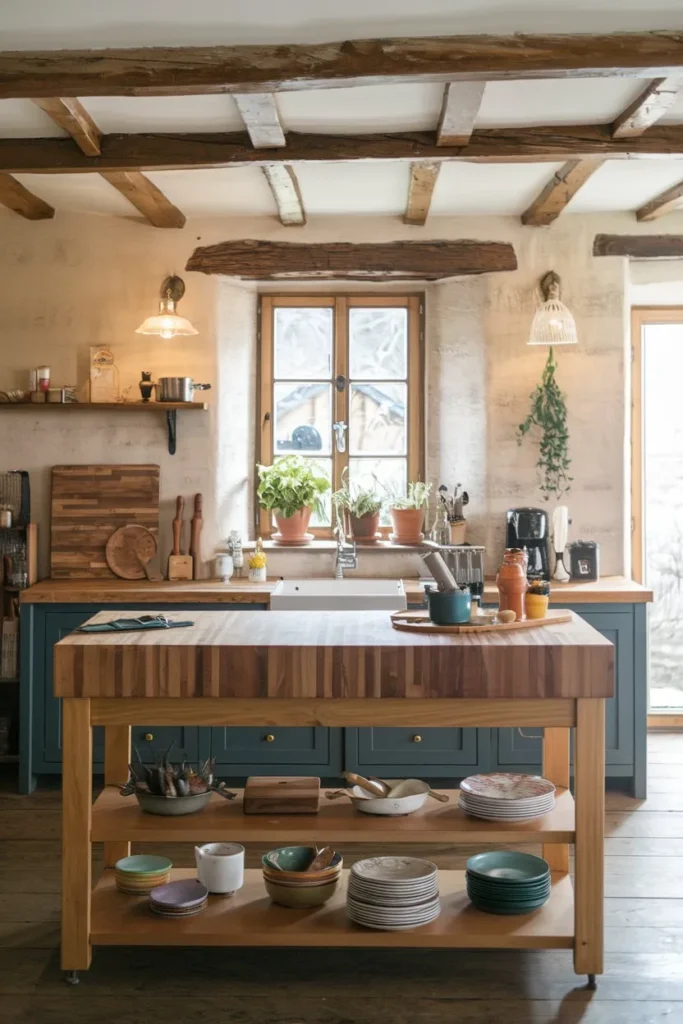
Bringing in natural materials can add warmth and texture to an open kitchen, preventing it from feeling too sterile or cold. Think about incorporating wood, stone, and plants.
You could have a butcher block section on your island, which is both beautiful and functional as a cutting surface. Exposed wooden beams on the ceiling can add rustic charm. Even simple things like a collection of potted herbs on a windowsill or a large plant in the corner can breathe life into the space. These organic touches connect the indoors with the outdoors and make the space feel more inviting and serene.
14. Mind the Noise: Soften Your Surfaces
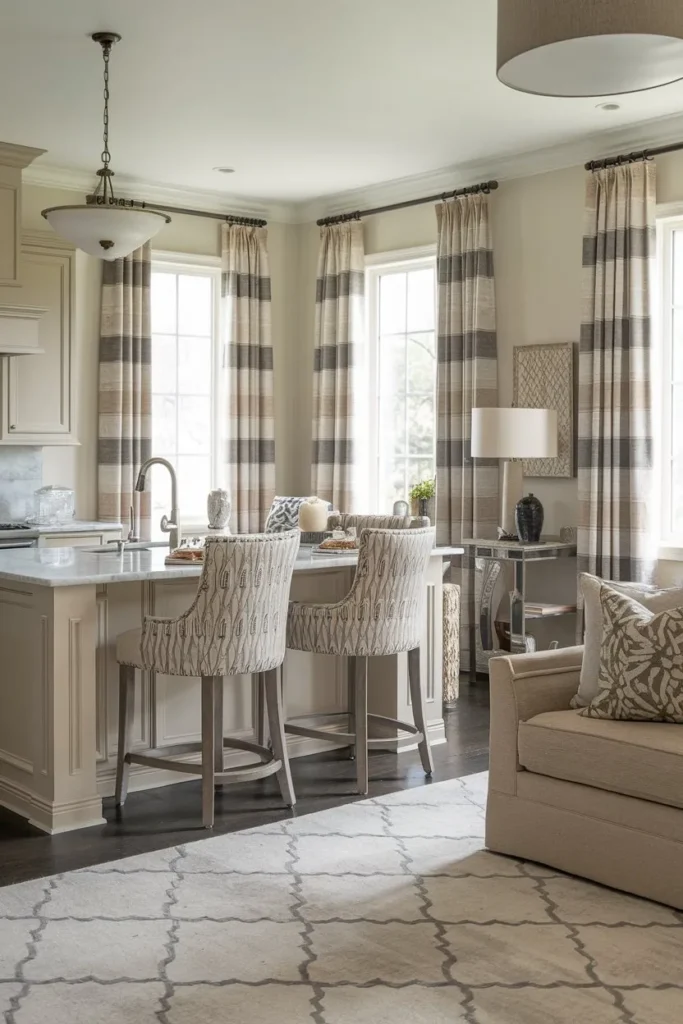
One practical consideration for open-concept living is noise. Sound travels easily from the clanging of pots and pans in the kitchen to the living area where someone might be trying to watch a movie.
While you can’t eliminate noise completely, you can mitigate it by incorporating soft surfaces that absorb sound. We already talked about area rugs. Other additions include:
- Upholstered Bar Stools and Dining Chairs.
- Curtains or fabric blinds on the windows.
- Throw pillows and blankets in the living area.
These elements will help dampen the echo and make the entire space feel more comfortable and acoustically balanced. It’s a practical detail that you’ll be thankful for later. Trust me. 😉
15. The Broken-Plan Kitchen
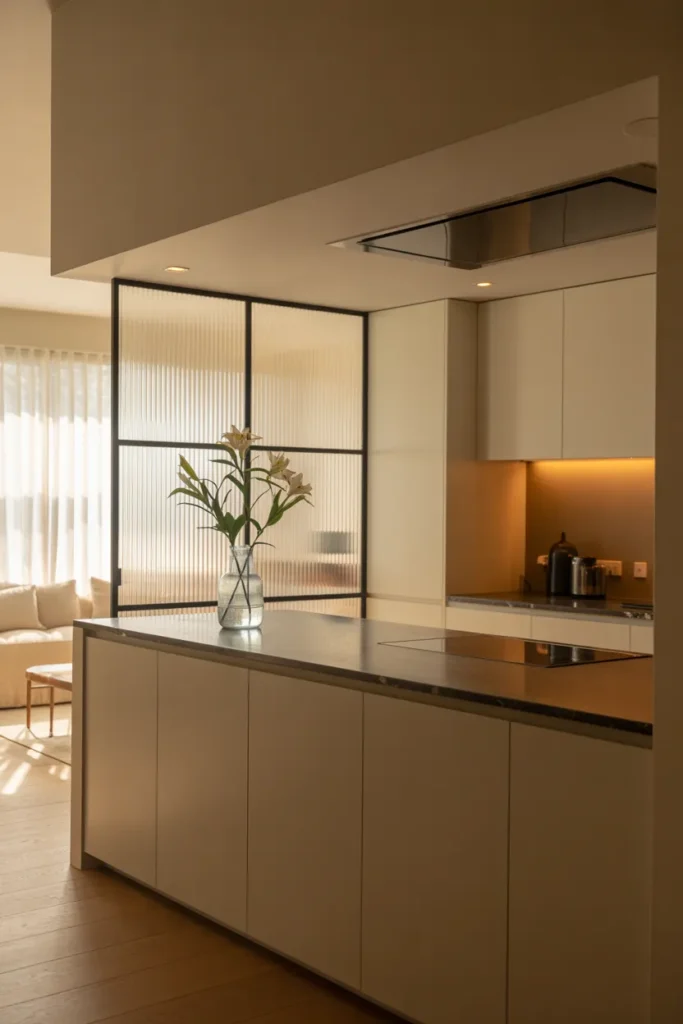
What if you want the benefits of an open kitchen without giving up all sense of separation? The “broken-plan” concept might be for you. It’s a middle ground that uses clever design elements to create partial separation.
Think about using:
- Half-walls or wide cased openings.
- Interior windows or glass partitions.
- Large-scale shelving units that act as room dividers.
These elements maintain the light and connection of an open plan but create distinct zones and a greater sense of intimacy. It can also help contain some of the kitchen mess and noise. It’s the best of both worlds for those who find a fully open plan a little too, well, open.
Final Thoughts
And there you have it 15 ideas to get you started on your dream open kitchen. Remember, the best design is one that reflects your personality and supports the way you want to live. Don’t be afraid to mix and match these ideas, get creative, and make the space your own.
The goal is to create a kitchen that isn’t just for cooking, but for living. It’s the backdrop for your daily life from chaotic weekday mornings to relaxed weekend gatherings. So have fun with it, and get ready to love your new, incredibly open space. Now, who’s ready to start tearing down some walls?